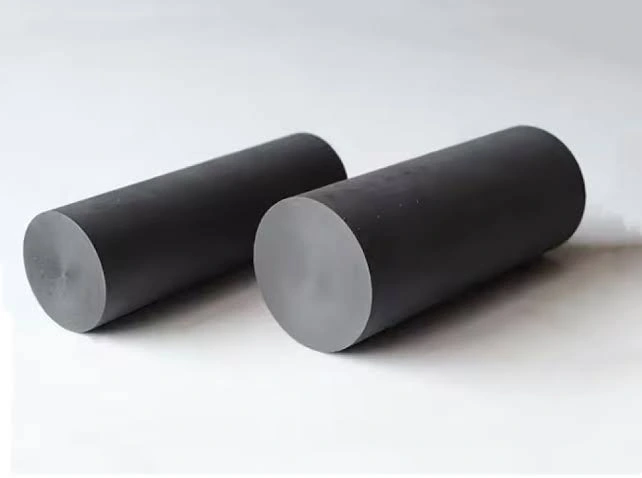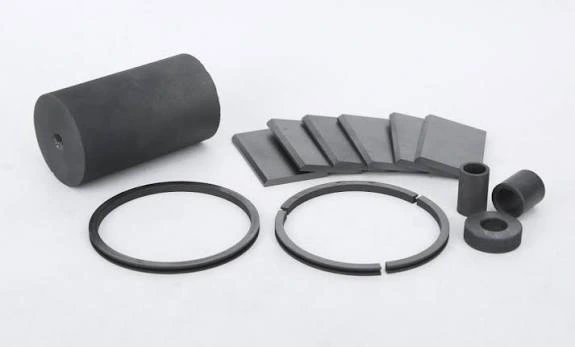


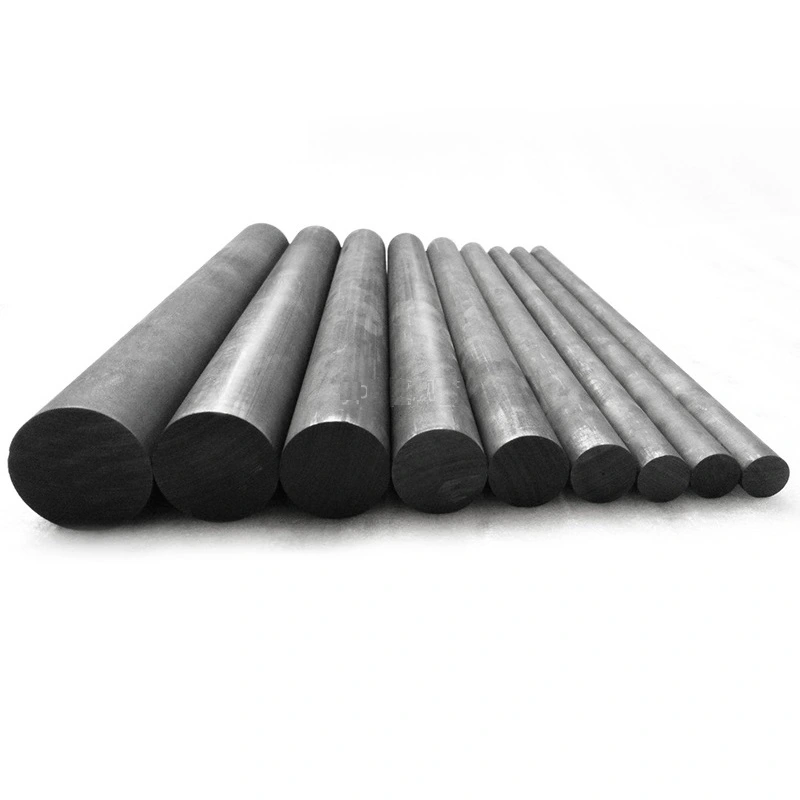
Enhancing precision, minimizing electrode wear, and maximizing the efficiency of the process are among the major issues in precise machining. EDM graphite rod has become one of the commonly used materials for electrodes because of its perfect electrical conductivity, heat resistance, low thermal expansion, and stable discharge. In comparison with other electrode materials, graphite is preferable for use in complex mold machining and high-precision machining. Information about the working principle of graphite electrodes, their characteristics, and application conditions will help choose the material for EDM.
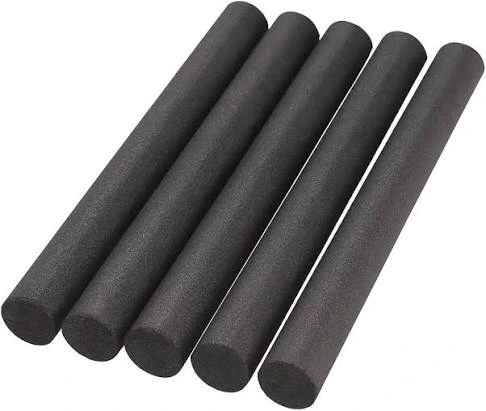
What is the Significance of a Graphite EDM Electrode in Modern Machining?
The graphite EDM electrode is an electrode consisting of graphite and is used in electrical discharge machining. In the process of EDM, the electrode produces a controlled spark to remove material from metallic objects to form desired shapes. As opposed to conventional machining processes, where direct force cutting is applied, the EDM technique employs thermal energy for the removal of material. This means that the efficiency of the electrode will affect machining stability and speed.
Owing to its special material composition, the EDM graphite rod has several benefits:
- High temperature resistance
- Stable electrical conductivity
- Excellent thermal conductivity
- Low thermal expansion
- Good wear resistance
- Machining ease
All of the above characteristics make graphite rods ideal for cavity formation, mold creation, and the manufacture of precise industrial parts.
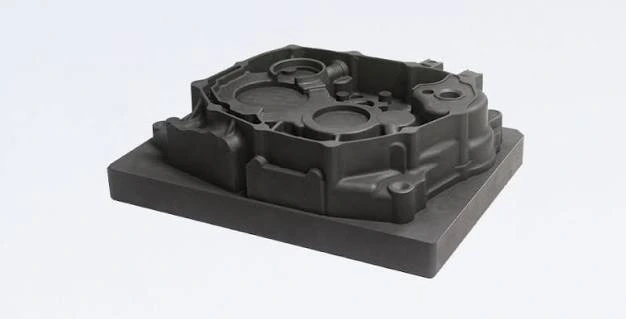
How Does an EDM Electrode Made from Graphite Work?
EDM is a method of producing machined surfaces by creating electrical discharges between the electrode and the workpiece. Electrical discharges produce very high temperatures, resulting in the melting and removal of workpiece material. An EDM graphite rod acts as the electrode in EDM, transmitting the electrical energy while still retaining its structural integrity.
Whereas normal machining operations use standard tools, EDM is commonly applied to tough materials and complicated parts as well as in situations that require great precision. The electrode should be able to sustain repeated thermal stresses and still have good discharge characteristics.
Important EDM Characteristics
The machining performance of a graphite EDM electrode depends on several factors:
- Graphite material structure
- Electrical discharge parameters
- Workpiece hardness
- Electrode design
- Required surface finish
Selecting the right graphite material for machining will result in improved efficiency and stability in processing.
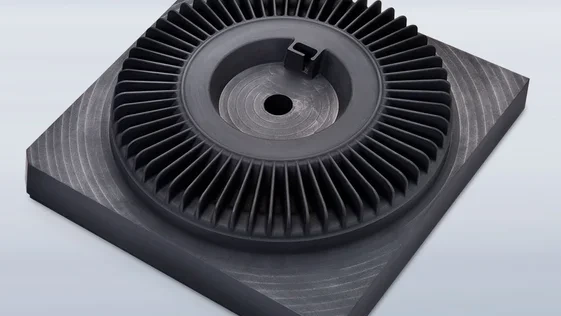
What Are the Properties of EDM Graphite Rod?
High Temperature Resistance During EDM Processing
First and foremost, an EDM graphite rod has high tolerance to temperature during electrical discharge machining. Graphite materials work at temperatures of approximately 1600℃ to 3000℃ in non-oxidizing conditions. In the case of EDM, there is a spark discharge that produces a very high temperature in certain spots. While some metal materials lose their rigidity under high temperatures, graphite does not change and continues its work. Therefore, high tolerance to temperature prevents deformation of parts being machined.
Stable Electrical Conductivity for Efficient Discharge
Electrical conductivity is the main characteristic of the graphite EDM electrode. Graphite ensures electrical conductivity due to low resistivity of about 8-15 μΩ·m. Stable conductivity helps maintain consistent spark generation during EDM processing. This will lead to improved removal efficiency of the materials. Unlike some other materials used traditionally, graphite has good electrical properties along with great heat resistance, which makes it applicable in EDM processes.
Thermal Conductivity Properties
Heat control is essential during EDM machining. Graphite electrodes for EDM have a thermal conductivity of about 100–165 W/(m*K), which means that heat can flow freely through them. High thermal conductivity can assist in preventing heat accumulation and ensures better machining conditions. Such properties are particularly important for manufacturing big electrodes or components.
Low Thermal Expansion and Dimensional Stability
Precision machining requires electrode materials that can maintain accurate dimensions. A graphite EDM electrode has a low thermal expansion coefficient of approximately 1.0–5×10⁻⁶/℃. This ensures that graphite electrodes can withstand sudden temperature variations without cracking or deformation. Graphite rods therefore fit well in processes where there is a need for precise cavity dimensions and a reliable machining process.
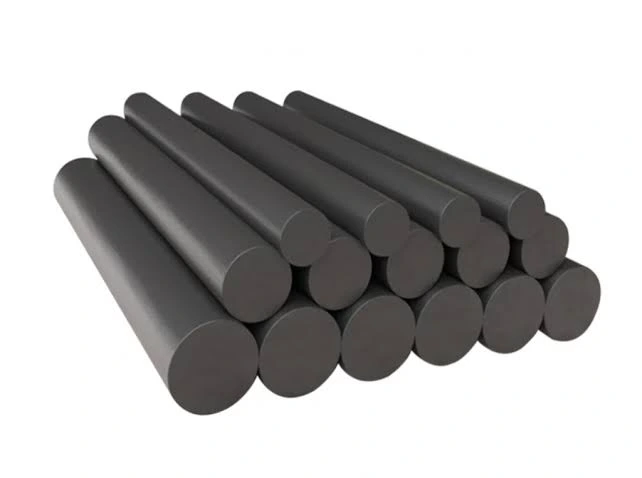
How Does EDM Graphite Rod Compare With Copper Electrodes?
Lower Electrode Wear
Electrode wear directly influences EDM efficiency and production costs. An EDM graphite rod provides strong wear resistance because of its high-temperature stability and discharge characteristics. During rough machining processes, graphite electrode wear can be significantly lower than traditional copper electrodes. Reduced wear helps decrease electrode replacement frequency and improves processing consistency.
Faster Machining and Easier Processing
Another important advantage of a graphite EDM electrode is its excellent machinability. Graphite is easy to cut, drill, mill, and form into intricate electrodes. With big and difficult molds, graphite makes the process of manufacturing electrodes quick and easy. Its lightweight structure also makes large electrodes easier to handle and reduces equipment loading requirements.
Why Is EDM Graphite Rod Getting So Popular in Mold Production?
Modern mold production demands rapid production cycles, increased accuracy, and greater complexity of design.
Suitable for Complex Mold Structures
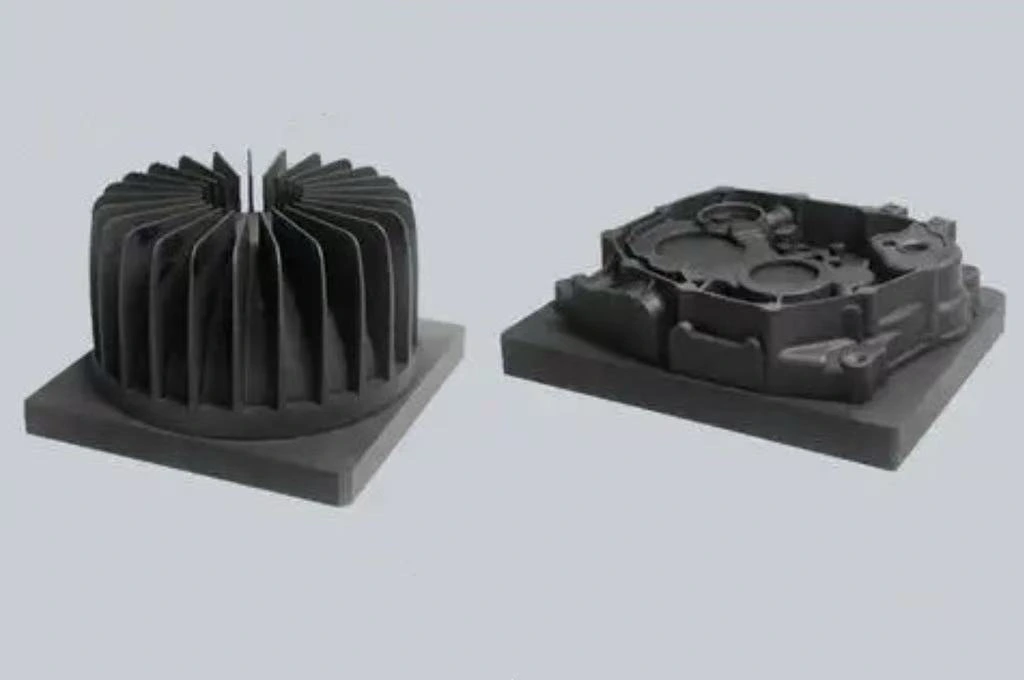
Many modern molds include deep cavities, narrow grooves, and detailed surfaces. A graphite EDM electrode can be processed into various shapes, making it suitable for producing complicated electrode structures.
Better Performance for Large-Scale Machining
Large copper electrodes can become difficult to handle due to their higher density. Graphite’s lightweight characteristics make installation and operation easier while reducing mechanical stress on machining equipment.
Supporting Efficient Production
In the continuous development of increasing the manufacturing efficiency of industries, the importance of materials that have stable properties and are easy to process becomes higher. Graphite electrodes contribute to the optimization of the EDM process, preserving machining precision.
What Surface Quality Can a Graphite EDM Electrode Offer?
Surface quality is one of the important aspects of the EDM process. The type of electrode material influences the stability of discharge, precision of machining, and final surface quality. The use of a graphite EDM electrode ensures stable electrical properties, ensuring stable spark formation during machining.
Improved Machining Stability
Graphite has high thermal conductivity and thus helps to stabilize electrical discharge. Stable spark conditions contribute to more uniform material removal.
Suitable for Precision Components
For molds and precision parts requiring detailed structures, graphite electrodes can support accurate processing and repeatable machining results.
The final surface quality also depends on EDM parameters, machine performance, and workpiece materials.
What Applications Use EDM Graphite Rod?
Mold Manufacturing
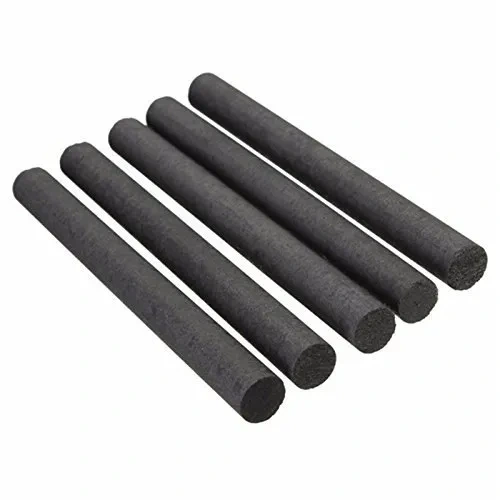
An EDM graphite rod is widely used in mold manufacturing because EDM technology requires electrode materials capable of creating complex shapes with high accuracy.
Graphite electrodes are suitable for plastic molds, precision molds, and components requiring detailed cavity structures.
Precision Industrial Components
Industries producing high-accuracy components often use graphite electrodes because of their stable machining performance and dimensional reliability.
Large Electrode Processing
Due to its lightweight properties and easy machining characteristics, graphite is also suitable for large electrode applications where handling efficiency is important.
What Should Be Considered Before Using a Graphite EDM Electrode?
Selecting an EDM graphite rod requires evaluating different machining conditions rather than focusing on only one performance factor.
Material Structure and Grade
Different graphite materials have different characteristics, including strength, particle structure, conductivity, and machining performance. Selecting suitable grades helps achieve the required processing results.
Machining Requirements
Before choosing graphite electrodes, users should consider:
- Required machining accuracy
- Electrode size and shape
- Surface finish requirements
- Processing speed
- Workpiece material
Working Environment
Conditions of temperature, discharge energy, and the time of machining may affect the performance of the electrode. Material selection is important to ensure the longevity and stability of the electrode.
How Do You Choose a Suitable Graphite EDM Electrode?
The right choice of the EDM graphite rod depends on several factors. These include:
- Application requirements
- Electrical performance needs
- Thermal conditions
- Electrode design complexity
- Expected service life
A suitable graphite solution can help improve EDM performance and achieve more consistent manufacturing results.
Conclusion
Being able to resist high temperatures, having good conductivity, minimum thermal expansion, wear resistance, and processability, EDM graphite rod is considered one of the valuable materials used in electrical discharge machining today. It is necessary to consider the properties and applications of materials for companies looking for reliable graphite products. Exploring professional graphite manufacturing capabilities and customized solutions can help improve machining efficiency and support more stable precision manufacturing processes.