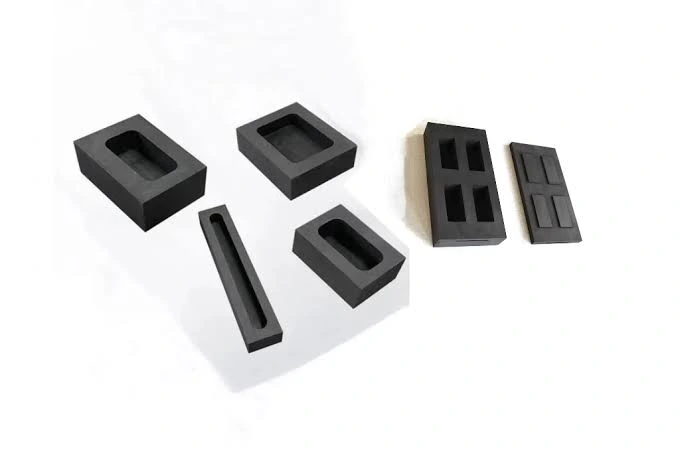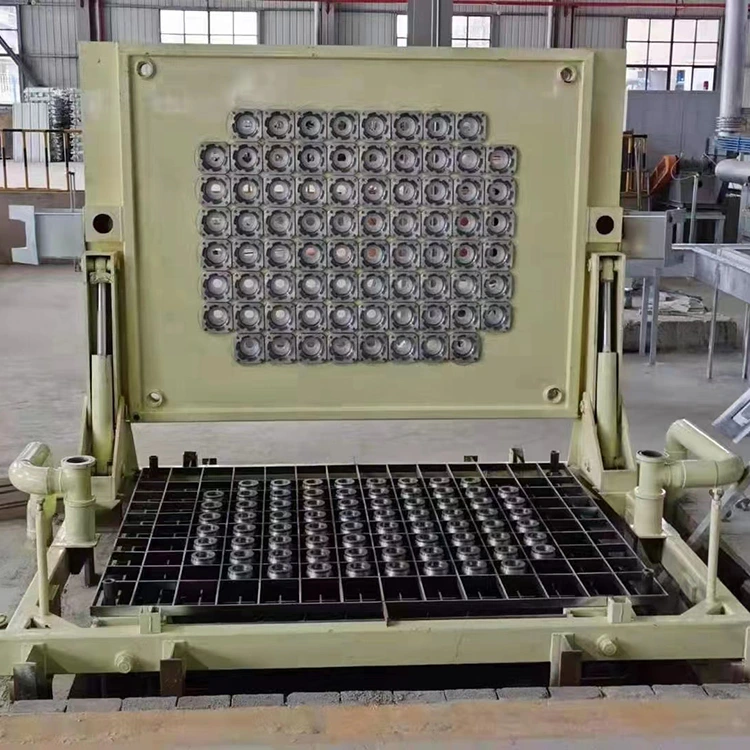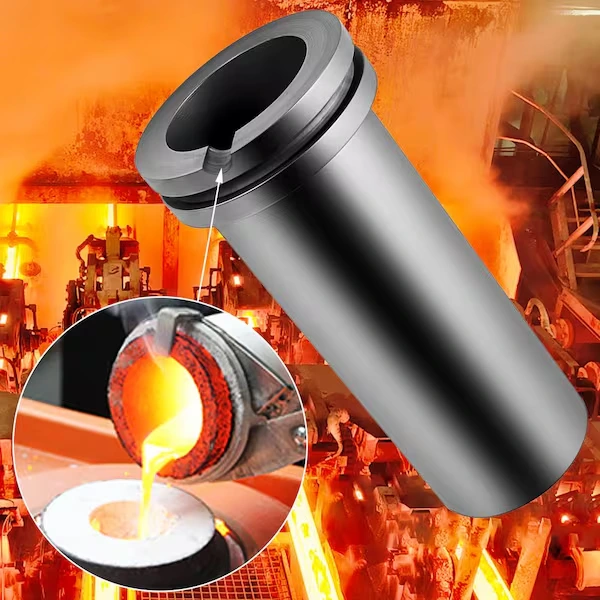


In modern times, there are various difficulties that manufacturers of molds face in terms of increasing the efficiency of their machining process, decreasing the cost of production, and preserving high levels of accuracy. Graphite molds have become more popular due to their high machinability, good thermal stability, and lower electrode consumption during electro-discharge machining (EDM). As opposed to traditional copper electrodes, graphite moulds have several benefits, including higher processing speed, reduced wear, low weight, and higher deformability.
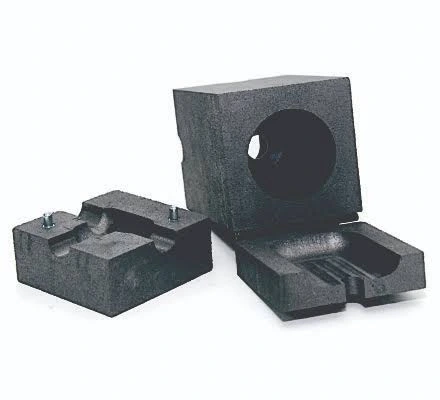
Why Are Graphite Molds Popular in Today’s Industries?
A graphite mould is a very important precision part or electrode material that is popularly employed in manufacturing moulds, EDM processing, and various high-temperature industrial processes. It possesses physical properties that make it perform well under tough processing conditions.
In modern industry, graphite outperforms metals, thanks to several key characteristics:
Lower Density and Thermal Stability
Graphite is less dense than copper materials, which makes it easy to machine. Additionally, its good thermal resistance keeps its shape steady at high temperatures.
Accuracy during Machining
Thanks to its excellent low thermal expansion properties, graphite ensures the precise stability of cavity dimensions and shapes, perfectly meeting the demands of high-precision manufacturing.
Support for Faster Production Cycles
Modern manufacturing requires shorter production times and higher precision standards. Because of the great machinability and stability that graphite materials provide, they have turned out to be quite useful in increasing the efficiency of machining and fulfilling production demands.
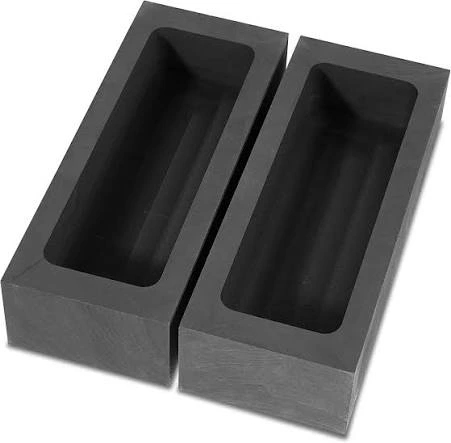
How Does a Graphite Mold Increase EDM Machining Efficiency?
Faster Processing Speed and Better Machining Performance
One major advantage of a graphite mould is its excellent machining efficiency. Graphite materials are easier to cut compared with copper electrodes because they have good machinability and low adhesion characteristics. Thanks to its excellent machining properties, graphite offers milling efficiency 30% to 80% higher than copper under identical programming conditions. This enables manufacturers to reduce the time needed for mold fabrication, particularly when manufacturing large and complicated electrode geometries. Moreover, machining problems are minimized in graphite since graphite is not prone to deformation during the machining process.
Lower Electrode Wear During EDM
During electrical discharge machining, electrode wear directly affects processing accuracy and production costs. A graphite mould offers strong high-temperature resistance and stable discharge performance.
Compared with copper electrodes, graphite wear during EDM can be reduced significantly. Graphite wear in rough machining operations is usually just about a fifth to a tenth of that of copper materials. Reduced wear leads to lower electrode replacement and readjustment, making production more efficient.
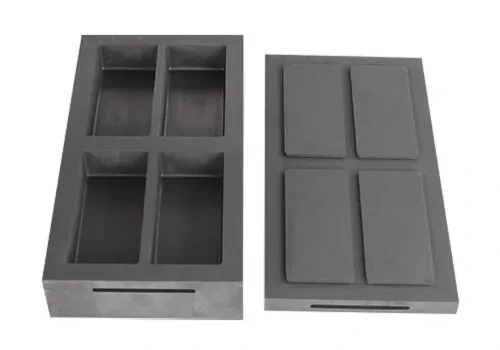
What Are the Benefits of Graphite Mould Materials?
Lightweight Structure and Easy Handling
The lightweight feature of a graphite mould is another important advantage. Graphite density is approximately one-fifth of copper, making large electrodes easier to install, remove, and operate.
For large-scale mould manufacturing, heavy electrodes can increase equipment load and create deformation risks. Graphite materials reduce these challenges while improving handling efficiency.
Higher Resistance to Thermal Deformation
Temperature changes are common during EDM processing. The thermal stability offered by the graphite mold is extremely good, as the coefficient of thermal expansion for graphite is very small compared to copper.
The coefficient of thermal expansion for graphite is about one-tenth that of copper. This implies that there is less distortion of dimensions after discharge heating. For precision molds requiring strict dimensional accuracy, this stability is especially valuable.
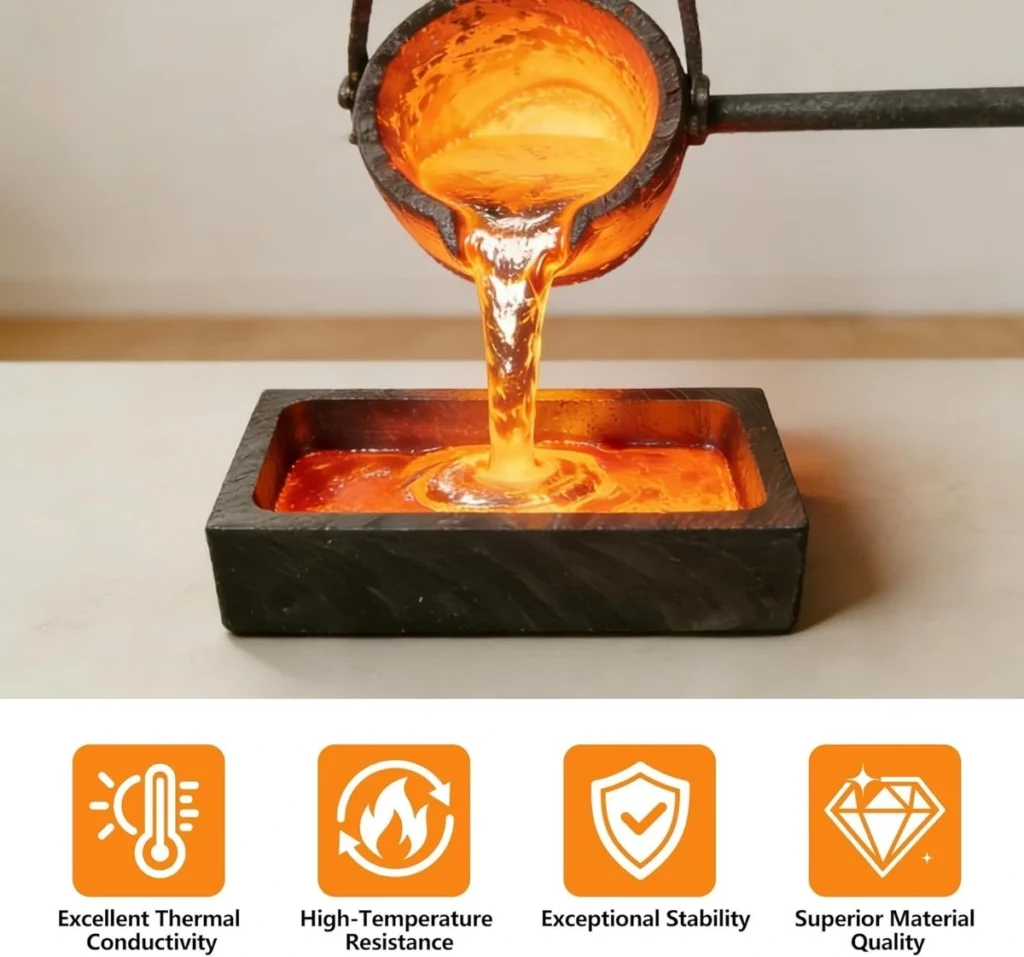
How Does Graphite Mold Reduce Overall Production Costs?
Lower Material Consumption and Higher Reuse Value
Cost control is an important consideration in mold manufacturing. A graphite mould can reduce overall expenses through lower material consumption and improved processing efficiency.
Graphite raw materials provide good cost performance, while used graphite electrodes can often be refurbished or reused depending on application requirements. Compared with copper electrodes, graphite solutions can reduce total consumable costs by approximately 40%–60% during long-term operation.
Higher Current Capacity for Efficient Processing
Yet another benefit that a graphite mould can provide is its ability to tolerate higher discharge currents. Graphite-based materials permit higher EDM parameters.
For deep cavities and large-area workpieces, graphite can provide better processing performance compared with traditional copper materials. With this advantage, manufacturers can achieve the perfect balance of efficient processing and consistent quality.
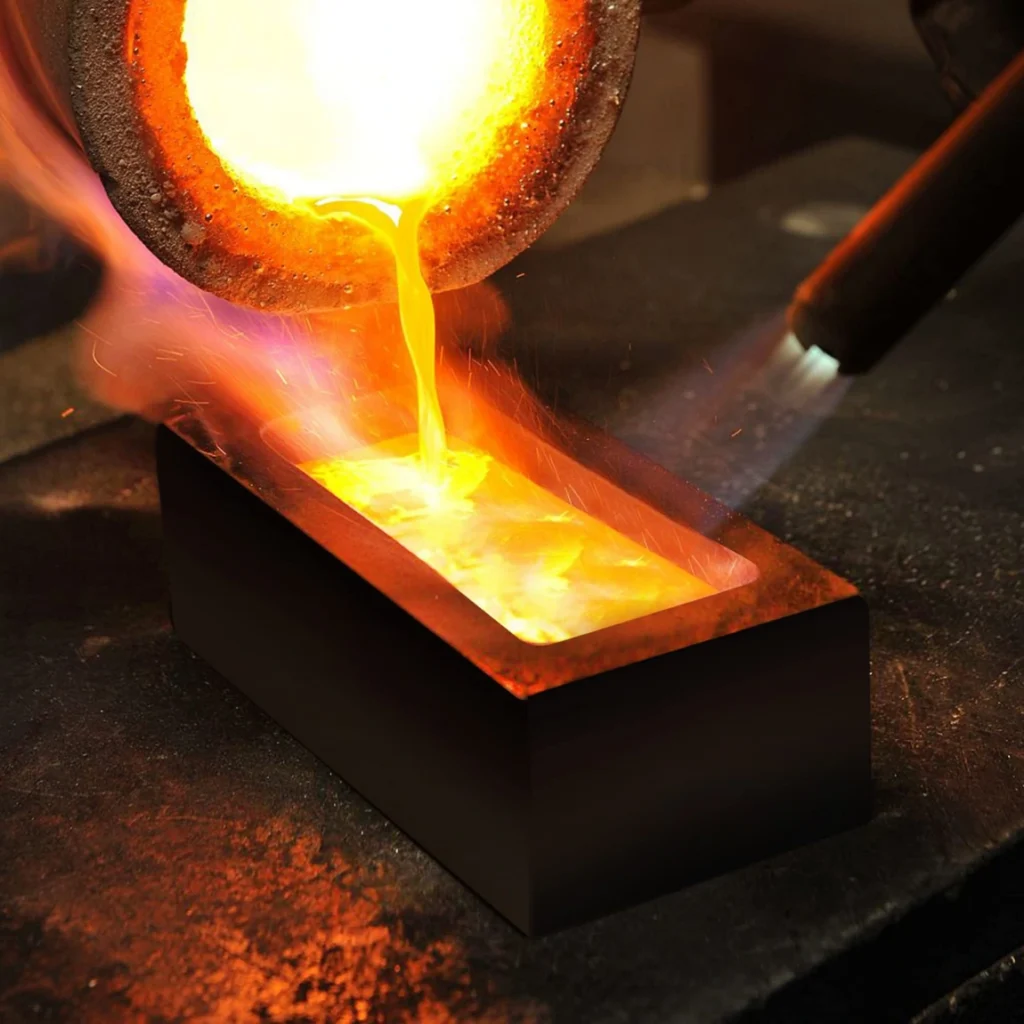
What Applications Use Graphite Mold Most Frequently?
Precision Mold Manufacturing
A graphite mould is commonly used in precision mould production where complex structures and accurate dimensions are required. Its excellent machining characteristics make it suitable for producing detailed cavities and intricate designs.
EDM Electrode Applications
It is one of the most common types of electrodes due to its slow wear rate and stable discharging properties. Whether for large electrodes or high-speed machining projects, graphite is the ideal choice for achieving efficient production.
High-Temperature Industrial Processing
Thanks to its heat-resistance properties, graphite materials are also applied in industries that need stable operation in conditions of high temperature.
How Should Manufacturers Choose a Proper Graphite Mold?
Choosing the right graphite mould requires considering several factors:
- Machining accuracy requirements
- Electrode size and structure complexity
- EDM processing parameters
- Thermal stability requirements
- Long-term operating costs
Different manufacturing conditions might require different grades of graphite materials and processes. Accurately matching application requirements before equipment selection is a key prerequisite for achieving efficient production and stable quality.
Conclusion
With features like high processing speed, low wear, light structure, and great thermal stability, the graphite mold has become an effective solution in modern mold manufacturing. In comparison to the copper electrode, the use of graphite helps improve machining efficiency, save costs, and ensure high accuracy.
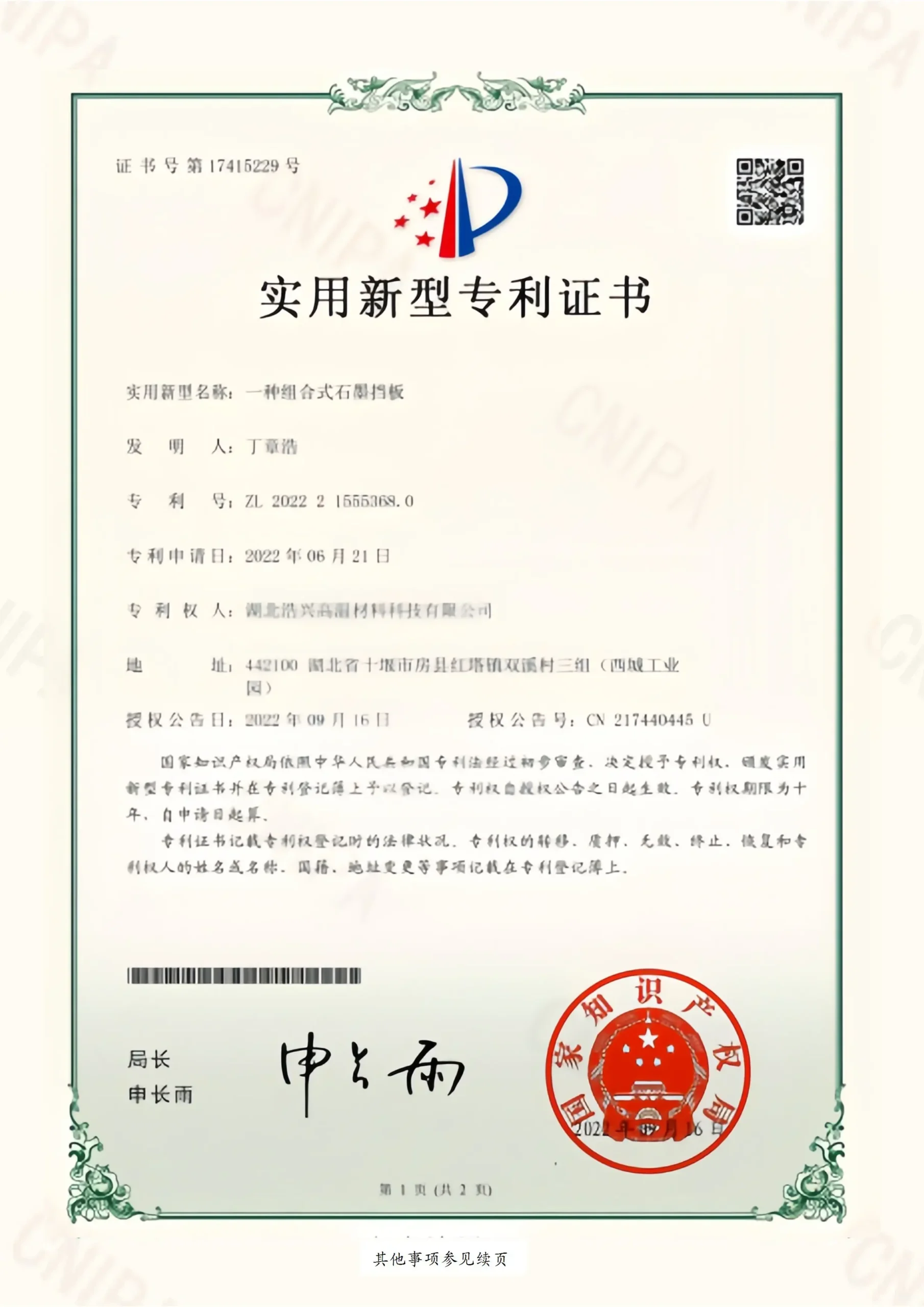
For manufacturers looking for effective graphite mould solutions, it might be better to choose a professional graphite supplier with customization ability and technological support. Stay tuned for industry news on graphite materials and precision manufacturing solutions.