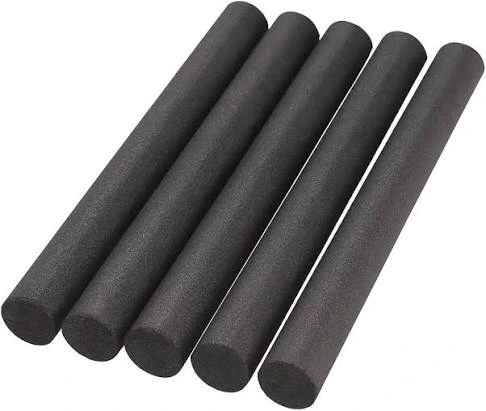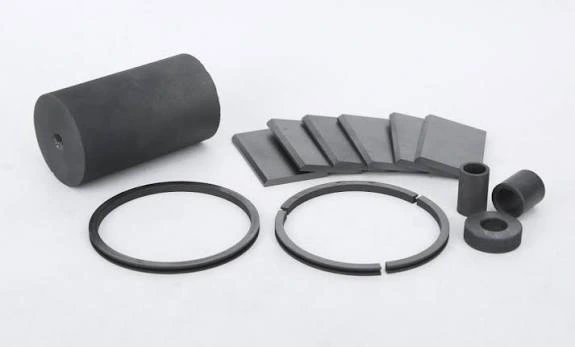


There is a lot of consideration that must be made when it comes to choosing appropriate materials to be utilized in different manufacturing and industrial applications. The utilization of graphite rods has been common because of their properties of being highly heat-stable, conductive to electricity, and easy to machine, among others. Carbon graphite rods have become reliable in various applications.
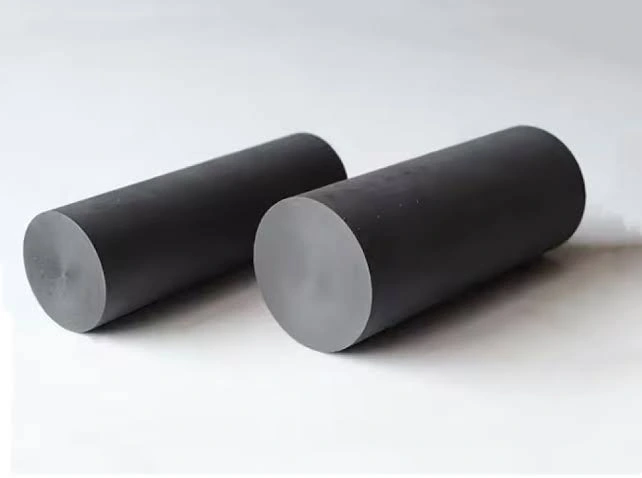
What Makes the Graphite Rod Vital for Industry Use?
A graphite rod is a specially designed graphite element that has stable physical parameters and performs excellently even in tough conditions. It should be noted that graphite does not lose its strength at high temperatures and is highly resistant to thermal shock.
Because of the specific structure, carbon graphite rod possesses numerous qualities such as:
- High temperature resistance
- Good electrical conductivity
- Excellent thermal conductivity
- Chemical stability
- Wear resistance
- Easy machining capability
These characteristics allow graphite rods to be used in conditions in which other materials could face deformation, corrosion, or reduction in performance.
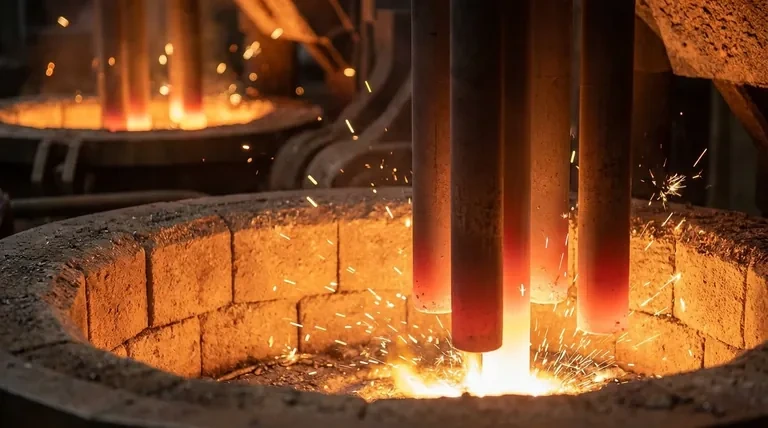
Properties of Graphite Rods
High-Temperature Resistance and Thermal Stability
One of the main properties of the graphite rod is its capability of functioning in very high temperatures. Graphite rods can withstand temperatures in a range of around 1600℃ to 3000℃ in non-oxidizing conditions.
In contrast to some metals that are susceptible to weakening at high temperatures, graphite maintains its structural stability without deforming or becoming softer. Therefore, it is able to withstand extreme temperatures of industrial processes. Moreover, a low coefficient of thermal expansion (around 1.0 – 5×10⁻⁶/℃) provides a high level of thermal shock resistance.
Excellent Electrical Conductivity
The conductivity of a graphite rod makes it work well in terms of electricity. The resistivity of the material is about 8-15 μΩ·m. This means that electrical current flows through it easily. The conductivity of graphite is higher than that of stainless steel. This property allows graphite rods to be used in electrical heating systems, industrial equipment, and other conductive applications.
Efficient Thermal Conductivity
Heat management is essential in many industrial processes. A carbon graphite rod offers excellent thermal conductivity, generally ranging from 100–165 W/(m·K). Compared with ordinary steel materials, graphite can transfer and distribute heat more efficiently. This helps achieve more uniform heating and improves process stability.
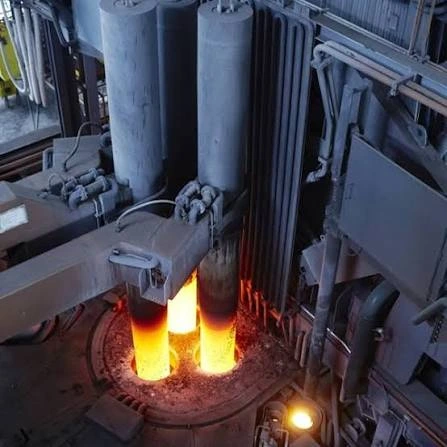
How Does Graphite Rod Perform in Different Environments?
Chemical and Corrosion Resistance
A major feature of carbon graphite rod is its chemical stability. It is resistant to several acids, alkalis, and organic solvents when working normally. Due to its ability to resist corrosion, the use of graphite rods remains efficient under extreme conditions. Strong oxidizing acids can influence the performance of graphite at high temperatures.
Resistance and Self-Lubricating Ability
The layered crystal structure of graphite provides natural lubrication properties. A graphite rod has a very low friction coefficient of about 0.04-0.1. This property acts as a lubricant and ensures less wear when in use, mainly when it’s hard to achieve lubrication with the help of oils.
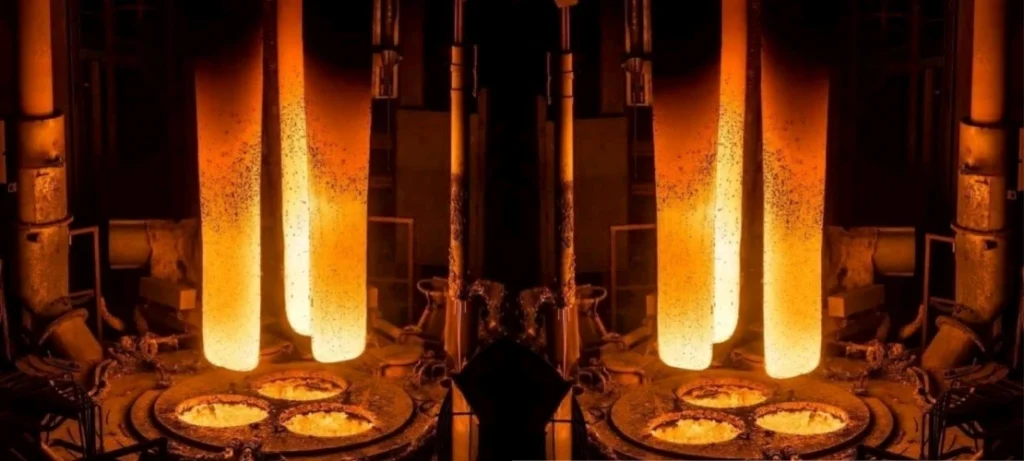
Why Is Graphite Rod Easy to Process?
Flexible Machining Capability
Graphite rods are extremely easy to machine; this is one of their core advantages. Graphite can be easily cut, drilled, and formed into various forms depending on the application. Graphite rods are relatively easier to work with compared to some other materials. This flexibility makes carbon graphite rods suitable for industries requiring special structures and complex designs.
What Industries Use Graphite Rods?
High-Temperature Manufacturing
A carbon graphite rod is commonly used in environments requiring stable performance under extreme heat, including thermal equipment and industrial heating applications.
Electrical and Energy Equipment
Due to its conductivity and heat resistance, graphite rod materials are applied in electrical components and energy-related systems.
Industrial Processing
The combination of chemical resistance, durability, and easy machining makes graphite rods suitable for various industrial equipment requiring reliable material performance.
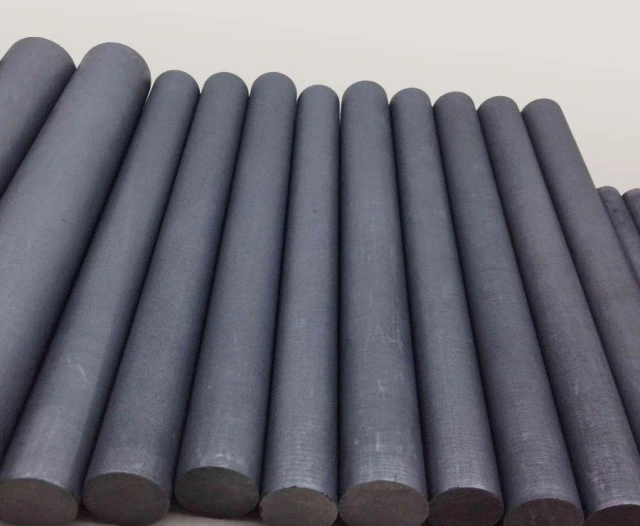
Carbon Graphite Rod vs Traditional Metal Materials: What Are the Differences?
When selecting industrial materials, performance comparison is an important consideration. Compared with many traditional metal materials, a graphite rod provides several advantages in extreme environments.
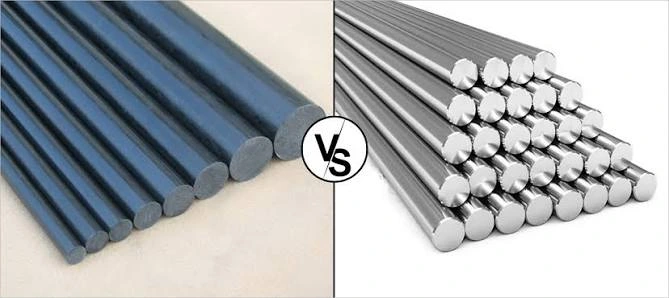
| Performance | Carbon Graphite Rod | Traditional Metal Materials |
| High temperature resistance | Maintains stability at very high temperatures | May soften or deform under extreme heat |
| Thermal expansion | Low expansion coefficient | Higher risk of dimensional changes |
| Chemical resistance | Resistant to many chemicals | Some metals may corrode |
| Machining | Easy cutting and shaping | May require more complex processing |
| Weight | Lightweight structure | Usually higher density |
Due to these characteristics, graphite rods are always taken into consideration when the need for high heat resistance and precision machining are needed.
How to Choose the Proper Carbon Graphite Rod?
Selecting the correct carbon graphite rod requires considering several factors:
- Working temperature requirements
- Electrical performance needs
- Chemical environment
- Mechanical strength requirements
- Processing accuracy
Different applications might need different graphite types. An analysis of the operating conditions can assist in getting the best results and the longest service life.
Conclusion
As one of the materials used today in the industry due to its qualities such as heat resistance, conductivity, chemical stability, and machining capabilities, carbon graphite rod has found great importance in modern industries.
The first thing that users who seek graphite should know is their material and application needs. Exploring professional graphite manufacturing capabilities and customized solutions can help industries improve efficiency and develop more suitable applications.