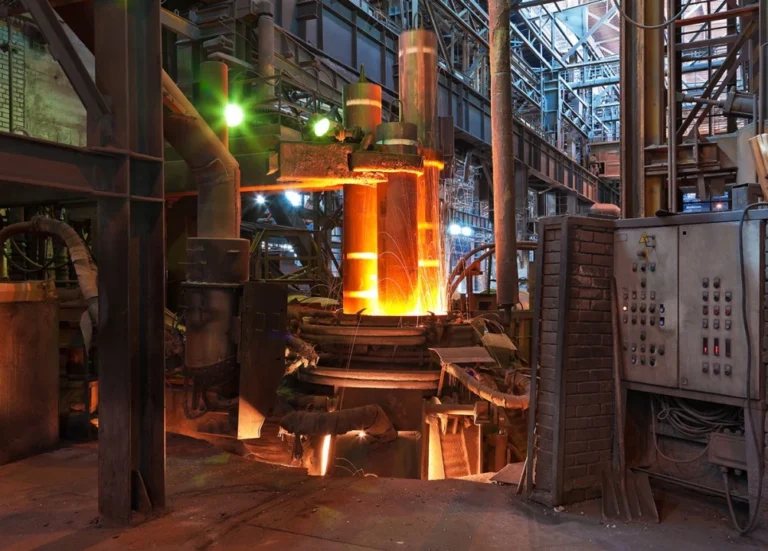
In contemporary industrial manufacturing, the purity of the materials and the quality of the products have a direct effect on the performance of the final product. In metal processing, casting, and advanced manufacturing industries, for example, the gases that may be present in the molten materials can lead to porosity, cracks, and other defects in the material, thus decreasing its mechanical strength.
In order to overcome these difficulties, various industries have begun using degassing machines. A degassing machine is industrial equipment used to get rid of any gas and impurities in molten materials.
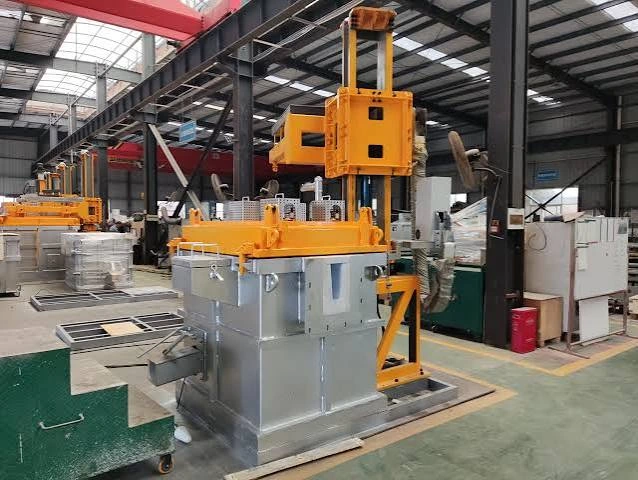
What Is a Degassing Machine and How Does It Work?
The Basic Working Principle of Degassing Equipment
When metals undergo a melting process, they may dissolve the gases present in the atmosphere, such as hydrogen, into their molten form. On cooling down and solidifies, these dissolved gases become pores in the interior structure of the metal.
A degassing machine removes these unwanted gases through a controlled purification process. The typical working steps include:
| Processing Step | Working Process |
| Melting Preparation | The metal is heated to the required processing temperature. For example, aluminum alloys are commonly treated at around 700–760°C during degassing. |
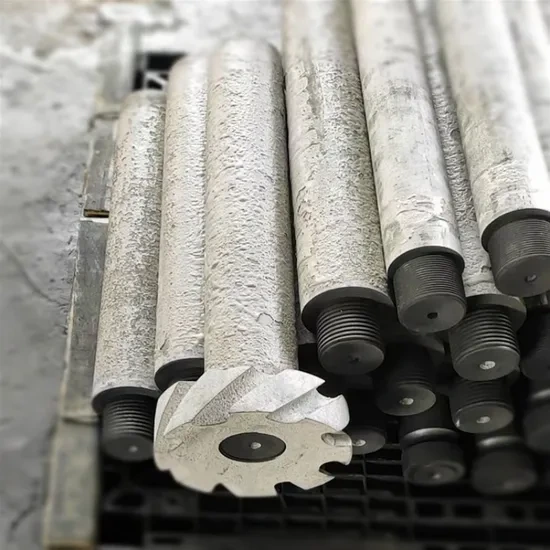
| Gas Injection | Inert gases such as nitrogen or argon are introduced into molten metal through graphite rotors. |
| Bubble Formation | The rotating rotor breaks the gas into small and evenly distributed bubbles. |
| Gas Removal | The bubbles absorb dissolved hydrogen and remove impurities from the molten material. |
| Final Purification | The treated metal is prepared for casting or further processing. |
During this process, graphite rotors are exposed to high-temperature molten materials for long periods. Therefore, they need excellent thermal stability, oxidation resistance, and corrosion resistance to maintain reliable performance.
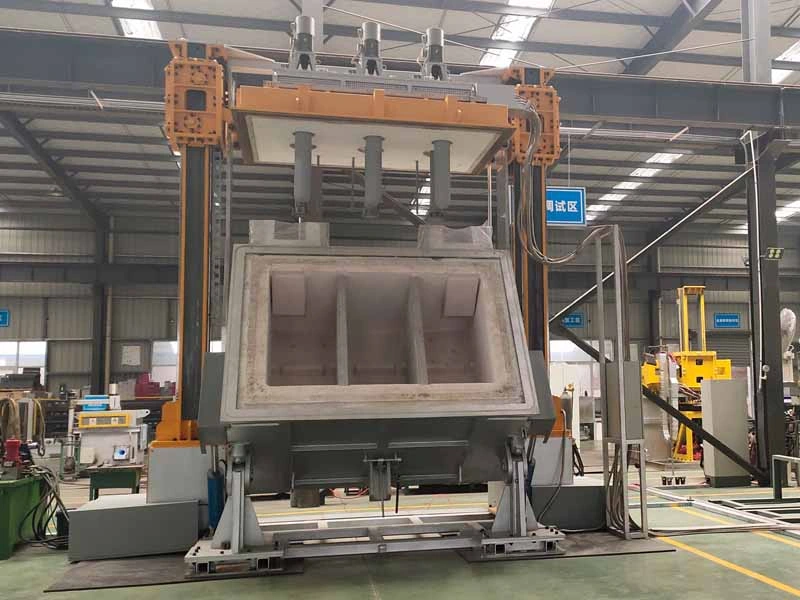
Main Applications of Degassing Machines
1. Aluminum Processing and Metal Casting
Aluminum processing is one of the most common application areas for a degassing machine.
Excess hydrogen in the production of aluminum alloys can result in the formation of internal porosity and surface defects, as well as weakening the mechanical strength. Removal of gases prior to the metal casting will increase the quality of the products.
Common applications include:
- Automotive aluminum components
- Aluminum profiles
- Precision casting
- Recycled aluminum processing
- Industrial alloy production
In this case, graphite rotors act as critical parts of the degassing system. In this regard, graphite materials help in maintaining the stability of the system because they have the capability of enduring high temperatures without chemically reacting with molten aluminum.
2. Aerospace Material Manufacturing
The aerospace industry needs high-strength materials that have few flaws and have longevity. Small flaws within the material can significantly influence its functioning.
In the aerospace alloy manufacturing process, a degassing machine is useful in ensuring the quality of the material since it reduces gas-induced flaws.
The main benefits include:
- Lower internal porosity
- Improved material uniformity
- Enhanced mechanical performance
- Better product reliability
Because aerospace manufacturing often involves extreme temperatures and precision processes, graphite components used in related equipment must provide excellent thermal resistance and dimensional stability.
3. Metallurgical Industry Applications
The metallurgical industry also relies on degassing technology to improve molten metal quality.
Trapped gases and impurities during the process of steel, non-ferrous metals, and alloys manufacturing might have a negative impact on the material’s properties. It is very important for a manufacturer to have a correctly developed degassing machine.
Typical applications include:
- Metal melting
- Alloy treatment
- Casting production
- High-temperature material processing
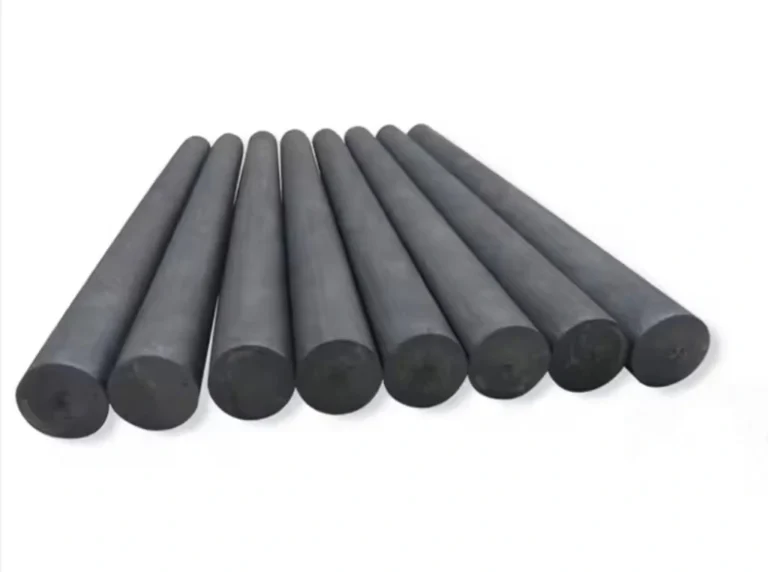
Graphite products such as graphite rotors, graphite crucibles, graphite rods, and graphite molds are widely used in these environments because of their excellent heat resistance, low thermal expansion, and chemical stability.
4. Electronics and Precision Manufacturing
As the semiconductors, electronics, and energy fields advance, the need for high purity of materials and precision of production processes becomes greater.
Degassing in electronics manufacturing is a process different from that used in traditional metal casting, but the purity of material is still an important consideration.
Graphite materials are widely used in high-temperature environments because they offer:
- Excellent thermal conductivity
- Strong chemical stability
- High-temperature resistance
- Low deformation under heat
These advantages make graphite components suitable for various precision manufacturing applications.
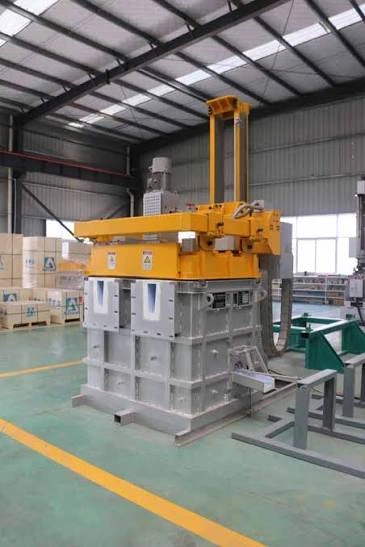
Why Are Graphite Components Important in Degassing Systems?
High Temperature Resistance
The operation of a degassing machine is associated with extreme heat conditions. The various parts that make up the device have to survive prolonged contact with heated substances without compromising their stability.
The graphite substance continues to perform optimally in situations of extreme heat.
Chemical Stability
In metal processing, equipment parts must resist undesirable reactions with melted substances. Graphite is known for its good chemical resistance, which will help prevent contamination and prolong service life.
Precision Machining Capability
The performance of degassing systems is highly dependent on the precision of components like graphite rotors. Precision in machining enables even gas distribution and enhances the efficiency of the process.
Graphite suppliers can offer graphite that meets your particular needs by offering solutions that meet the needs of the specific industries.
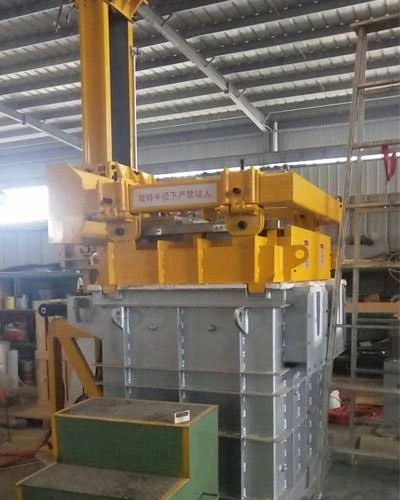
How to Choose Suitable Graphite Components for Industrial Applications?
Selecting the right graphite components is important for improving equipment efficiency and service life. Key factors include:
| Selection Factor | Importance |
| Graphite Purity | Ensures stable performance in demanding environments |
| Density and Strength | Affects durability and wear resistance |
| Machining Accuracy | Improves equipment operation efficiency |
| Corrosion Resistance | Extends component lifespan |
| Customization Capability | Meets different equipment requirements |
Reliable material quality and advanced processing capabilities are essential when choosing a graphite supplier for industrial applications.
Conclusion
With the constant search for higher performance and accuracy in industries, degassing is becoming an increasingly important process in metal production and advanced manufacturing due to its ability to remove gases and impurities from the materials and thus prevent defects in the final products.
On the other hand, high-performance graphite components become indispensable for achieving a stable degassing process. Graphite products like graphite rotors and graphite crucibles ensure stable operation of degassing machines under high temperatures.
At Haoxing Graphite, we offer professional graphite products tailored for different industrial uses. For more information on graphite components for degassing systems and high-temperature applications in general, please do not hesitate to contact us for professional assistance based on your needs.