

The purity of materials is an important consideration in modern advanced manufacturing industries because the efficiency of materials and equipment can be affected by purity. Pure graphite has become a significant material in modern industries because of its high temperature resistance, high electrical conductivity, chemical stability, and machining precision. Uses and various products made from high-purity graphite can be known based on its properties and characteristics.
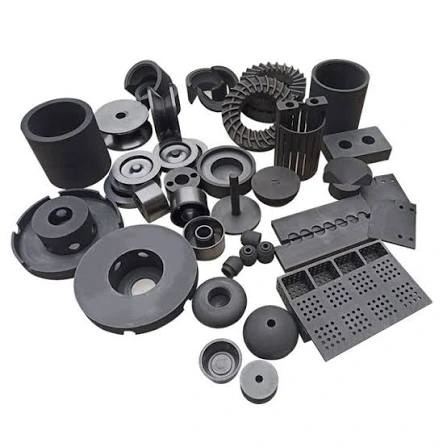
Why Is Pure Graphite So Popular In the Modern Industry?
Graphite purity is a type of graphite with an extremely low level of contamination and stable physical properties. The decrease in metal and other extraneous substances makes the material more consistent than regular graphite materials.
High-purity graphite possesses a unique structure that gives several important advantages to it:
- Good high-temperature resistance
- Stable electrical conductivity
- Efficient thermal conductivity
- Strong chemical resistance
- Low thermal expansion
- Good machinability
These properties help ensure that pure graphite can provide reliable operation in harsh conditions that require material stability, heat resistance, and precision.
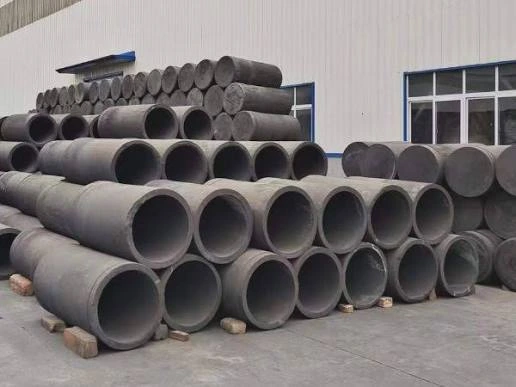
What Are the Important Properties of Pure Graphite?
Exceptional Resistance to High Temperatures
High-purity graphite is known for its ability to perform under very high temperatures. The difference between high-purity graphite and many other traditional materials is that graphite does not become softer, weaker, or deformed by high temperatures but instead retains its stability. It makes pure graphite a material that can be used in the presence of furnaces, high-temperature equipment, and components.
Outstanding Electrical and Thermal Conductivity
Pure graphite is famous for its electrical and thermal conductivity because of its carbon structure. The electrical conductivity of pure graphite ensures good energy transportation for heating and electrical purposes, and thermal conductivity ensures uniform heat distribution during work.
Strong Chemical Stability
Chemical resistance is another important feature of pure graphite. In an appropriate environment, it will be resistant to several acids, alkalis, and organic solvent types. When compared to materials that tend to rust or decompose in such environments, graphite proves itself to be more stable and reliable. Nevertheless, strong oxidizers under high temperatures should be taken into consideration while choosing graphite materials.
How Does Pure Graphite Differ from Graphite?
The major distinction between pure graphite and graphite lies in the quality of the material.
Lower Impurity Content
Since Pure Graphite has lower impurities, it can minimize contamination in manufacturing processes where such risks are present. Industries like semiconductor manufacturing and high-precision machinery require high purity levels in materials used to ensure high-quality products.
More Stable Performance
High-purity graphite is known for its stability due to its composition and structure, which allows for better performance at high temperatures and contributes to the elimination of manufacturing problems.
What Graphite Products Made from High Purity Graphite Are Available?
Various types of graphite products are used in industry, and each of them has individual sizes and properties depending on the purpose of use.
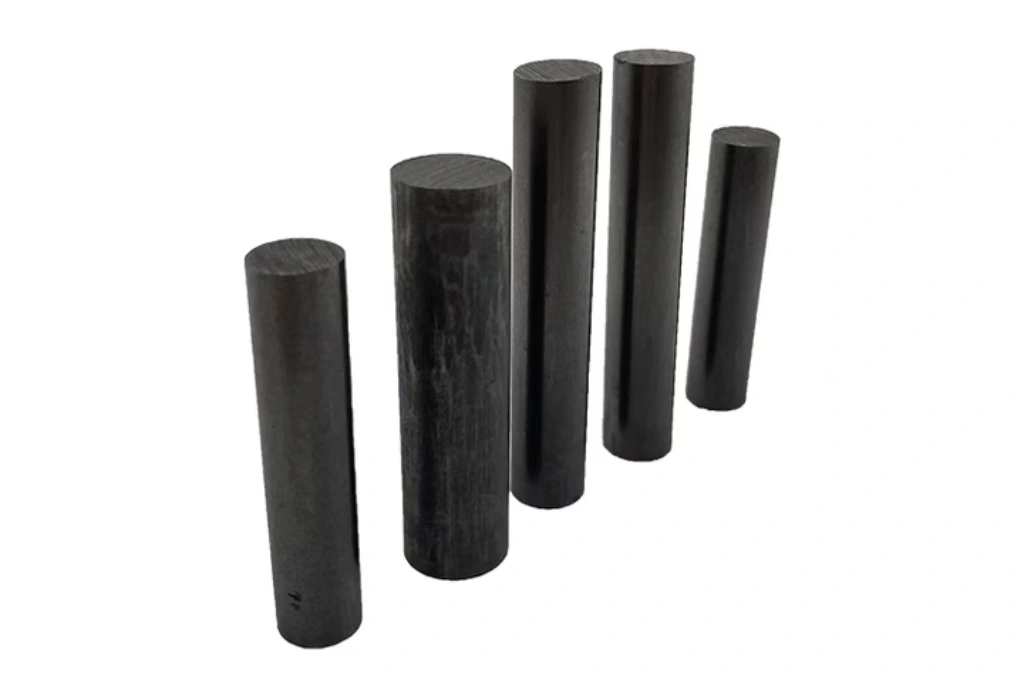
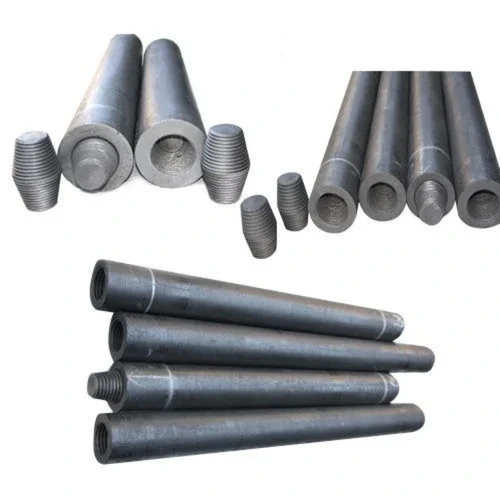
Pure Graphite Rod
Graphite rods that are made purely from graphite are often utilized in cases where temperature stability and conductivity are important factors. The ability to shape graphite rods according to different specifications is due to their consistent nature and ease of processing.
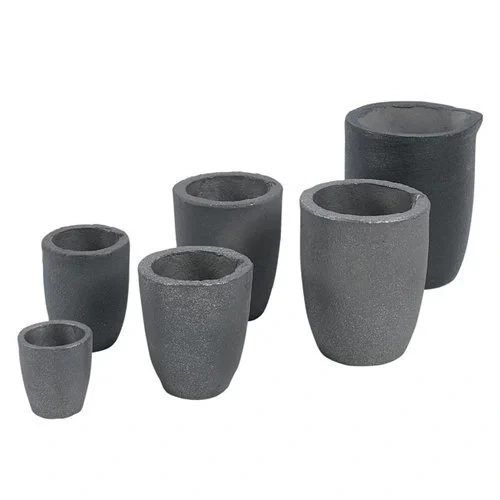
Pure Graphite Crucible
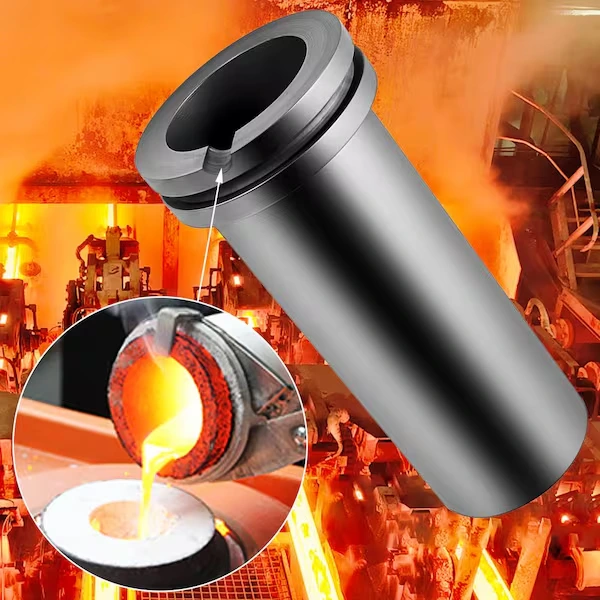
The use of a pure graphite crucible is intended for high-temperature melting and processing operations. Because of the ability to withstand thermal shock and the chemical stability of graphite crucibles, they can provide consistent performance in the presence of repeated heating processes.
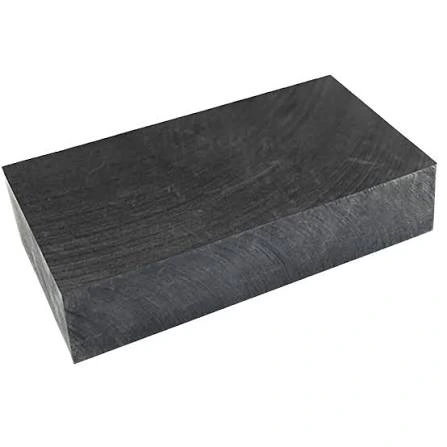
Graphite Plate and Graphite Block
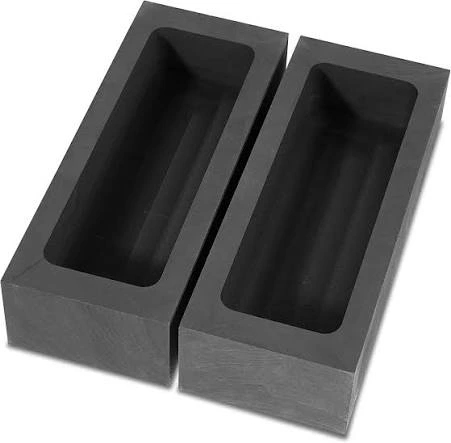
Graphite plates and blocks find wide application in those cases where there is a need to have larger surfaces and higher stability, as well as custom-made dimensions.
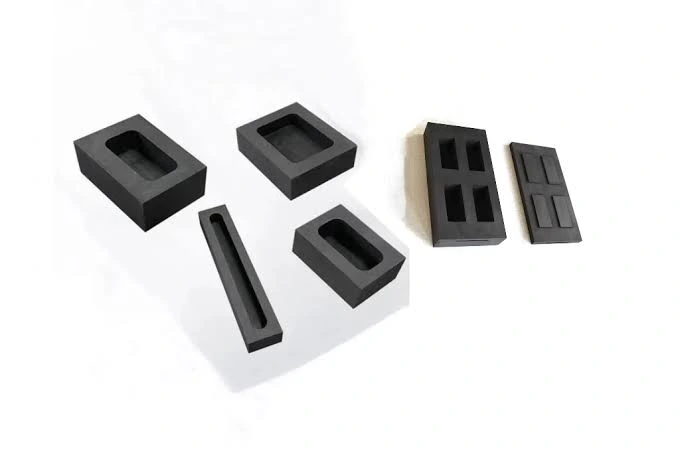
Graphite Mold and Customized Components
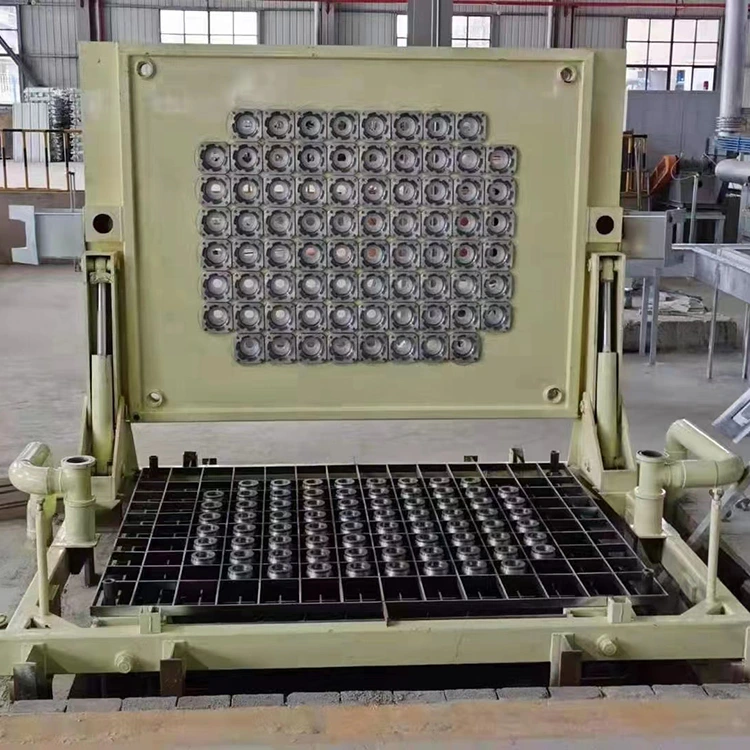
Pure graphite molds and parts are applied in cases when exact shape, dimensional stability, and heat resistance are essential. Due to its machinability, graphite can be shaped in various forms according to industrial needs.
Where Is Pure Graphite Applied?
Semiconductor and Electronics Industry
In the industries related to semiconductors, the purity of material and its heat resistance are highly significant. Pure graphite is applied in parts where clean manufacturing and good performance in high-temperature conditions are required.
Metallurgical and Aluminum Manufacturing
Industries dealing with high temperatures may need materials resistant to heat, chemical attacks, and cycling. In aluminum and metallurgical industries, pure graphite products such as crucibles, rods, and other parts are preferred due to their heat resistance. Their stable performance helps support efficient industrial processing under demanding conditions.
Solar and Energy Industries
The invention of renewable energy technology has resulted in a need for advanced materials that exhibit stability at high temperatures. Graphite is preferred due to its characteristics that include cleanliness of production, efficient thermal properties, and longevity of service life.
Precision Industrial Manufacturing
Because of its high machining characteristics, high-purity graphite can be fabricated into complex shapes. It is used in industries that require precision fabrication and consistent material performance.
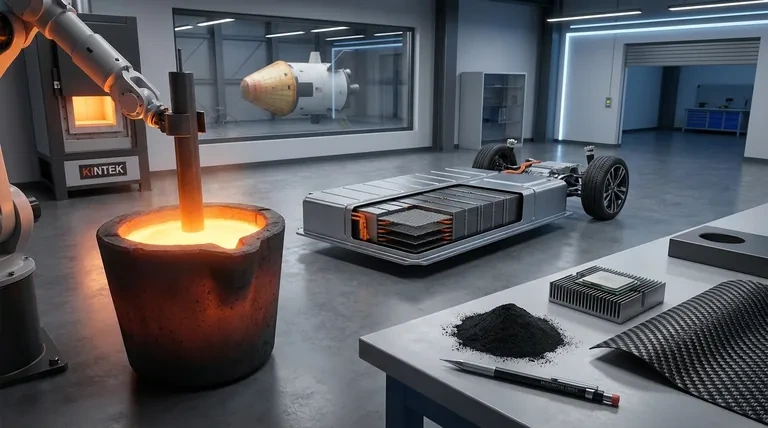
What Makes High-Purity Graphite Fit for Accurate Uses?
Stable Dimensions Under Temperature Changes
Temperature changes may affect the precision in production. The material, High-purity graphite, has a lower coefficient of thermal expansion. This characteristic reduces deformation risks and supports applications requiring accurate processing.
Easy Processing and Customization
One more strength of high-purity graphite is its easy processing. Graphite is easy to machine and shape; whether through cutting, drilling, or milling, it readily meets diverse customization requirements for various forms. Such properties help in designing graphite parts for particular machines and environments.
How to Pick the Right Pure Graphite?
Choosing the right high-purity graphite involves taking into account many aspects:
Application Environment
Different working conditions require different material characteristics, including:
- Operating temperature
- Chemical exposure
- Electrical requirements
- Mechanical strength
- Processing accuracy
Product Structure and Specifications
Graphite products with different densities, purity levels, and structures provide different performance characteristics. Using the right type of graphite based on the real demands is crucial for getting good results.
Production Needs
In the case of special graphite parts, their dimensions, complexity of form, and the accuracy of machining also have to be considered.
What Is the Future Direction of Development for Pure Graphite?
Due to the progress of the above industries, including manufacturing, semiconductor technology, renewable energy, and industries where high temperatures are used, the need for pure graphite will keep growing. That is why the future direction of the industry will be related to the higher quality of materials and more custom-made solutions.
Conclusion
With excellent high-temperature resistance, electrical conductivity, chemical stability, and machining flexibility, high-purity graphite has become an important material for modern industrial applications.
When it comes to industries that need graphite rods, crucibles, plates, molds, and custom graphite products, it is critical to have the appropriate material specifications to ensure consistent performance. Graphite manufacturing and customization are great ways to look for the right graphite products.