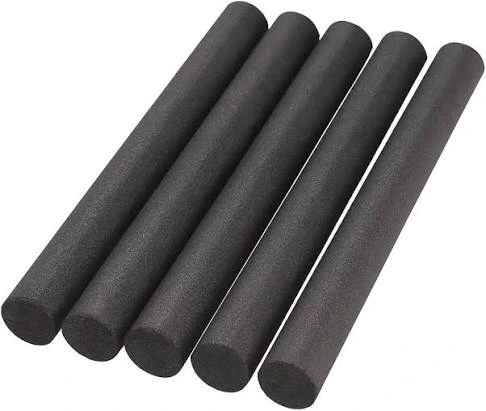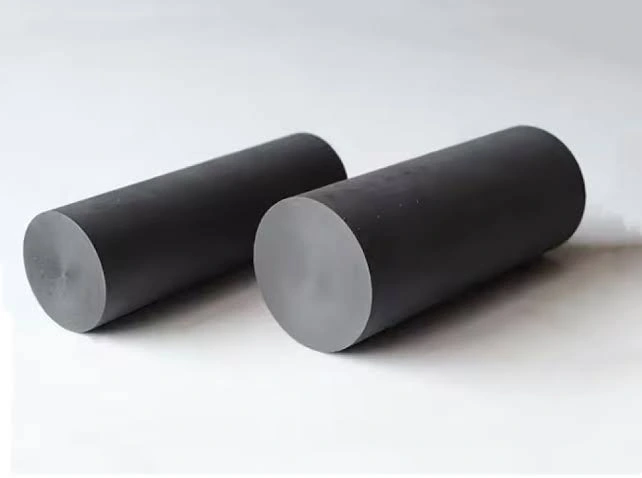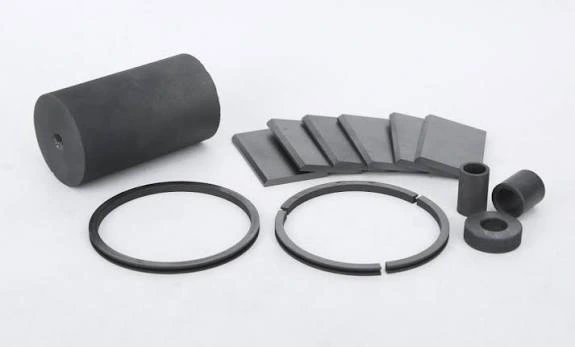


Selecting the ultimate refractory container for high-temperature metallurgy requires a profound understanding of material engineering and thermal dynamics. Industrial smelting operations constantly rely on diverse graphite crucible uses to handle aggressive non-ferrous and precious metal alloys safely. However, matching specific casting demands with the correct vessel grading involves analyzing extreme physical properties like exceptional thermal conductivity and anti-corrosion behaviors. In this technical publication, we will dissect the most critical modern applications of graphite crucibles across heavy industries and provide a professional framework for maximizing container longevity.
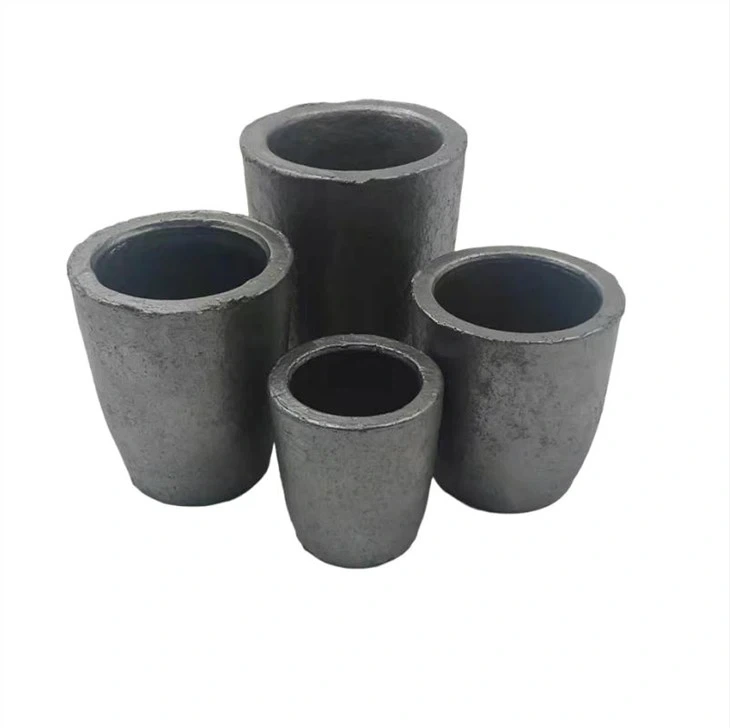
Primary Industrial Sectors Driving Graphite Crucible Uses
The widespread integration of carbon-bonded vessels stems entirely from their ability to withstand brutal thermal shocks where traditional ceramics crack instantly. Examining these primary fields highlights how specialized chemical properties facilitate distinct applications of graphite crucibles across global manufacturing plants.
Non-Ferrous Metal Smelting Engineering
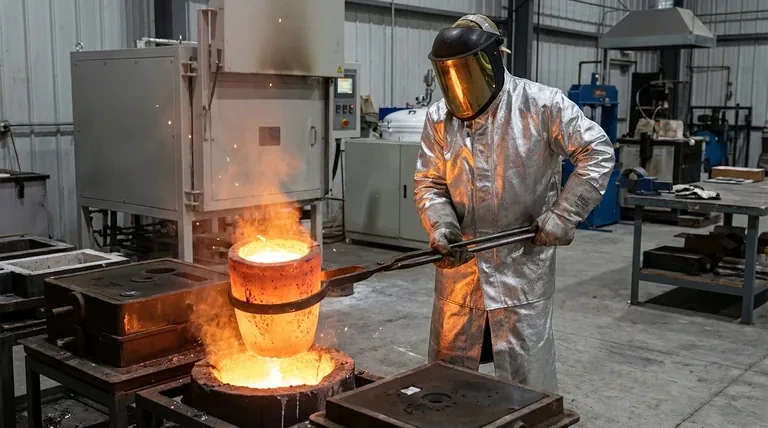
Managing molten copper, aluminum, and brass requires strict temperature control and zero contamination from outer containment units. High-density graphite crucible uses in foundry environments allows technicians to transfer heat uniformly, significantly reducing the energy required to liquify bulky metal stock.
Precious Metal Refining and Extraction
Jewelry manufacturing and industrial bullion recycling demand absolute material purity during intense melting cycles. Specialized graphite crucible applications in induction furnaces ensure that valuable alloys, including gold, silver, and platinum, suffer no structural degradation or chemical interactions with the vessel walls.
Semiconductor and Laboratory Research
Modern scientific analysis utilizes ultra-pure carbon containers to synthesize advanced solar components and compound semiconductor materials. These high-purity applications of graphite crucibles prevent localized chemical diffusion, guaranteeing pristine crystalline structures during critical silicon processing phases.
Step-by-Step Guide: Preparing Vessels to Perfect Graphite Crucible Uses
To ensure your high-temperature operations achieve flawless efficiency, implementing a standardized conditioning routine before charging the container is mandatory. Follow this practical engineering blueprint to support long-term graphite crucible use without inducing premature cracking.
Step 1: Performing Critical Moisture Elimination
Never subject a cold vessel to immediate furnace heat, as trapped environmental humidity will expand violently and cause catastrophic structural fractures. Safe initialization for regular applications of graphite crucibles starts with baking the empty container at 150°C for several hours until all thermal moisture completely evaporates.
Step 2: Executing High-Temperature Preheating Cycles
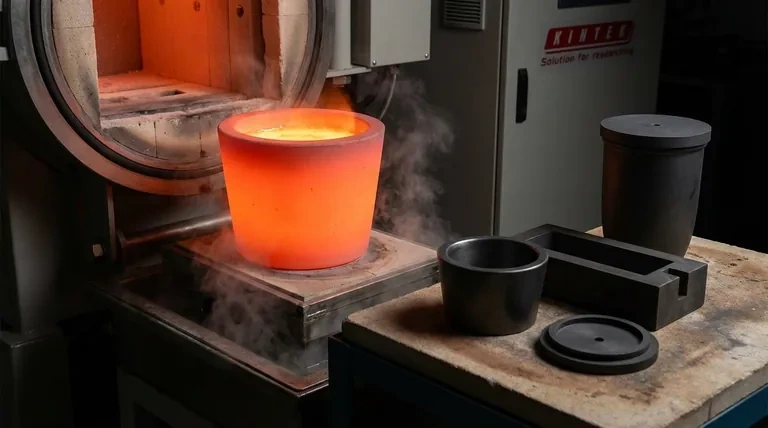
Once the moisture clears, slowly ramp the furnace temperature up to a bright red heat of approximately 800°C before adding any material. This specific preheating procedure activates the protective anti-oxidation glaze coating, securing stable applications of graphite crucibles for the remaining production shifts.
Step 3: Implementing Correct Material Charging Methods
When introducing heavy metal ingots, always place them vertically using specialized tongs rather than dropping them roughly into the bottom. Proper loading methods protect the structural integrity of your vessel, optimizing continuous graphite crucible uses and preventing heavy internal mechanical impacts.
Advanced Technical Maintenance: Extending High-Heat Vessel Lifespans
Maximizing the operational timeline of thermal hardware involves more than just careful loading; it requires ongoing, rigorous post-melt maintenance routines. Proper handling preserves the high thermal conductivity required for all major applications of graphite crucibles over extended periods.
Managing Flux Addition and Corrosive Slag Buildup
Chemical refining agents are necessary to pull impurities from molten scrap, but these acidic fluxes can severely erode clay-graphite composites if left unchecked. To maintain efficient graphite crucible uses, add fluxing powders only after the metal is completely molten, and scrape away leftover dross while the vessel is hot.
Safe Cooling Protocols and Storage Conditions
Avoid extracting a searing hot container from the furnace and placing it directly onto a cold concrete floor or in front of a drafty fan. Gradual cooling ensures that multi-material graphite crucible applications remain safe, preventing localized micro-cracking that occurs during rapid, uneven thermal contraction.
- Oxidation Shielding: Storing units in perfectly dry, heated environments prevents ambient air from degrading outer carbon layers.
- Tong Calibration: Utilizing handling tools that perfectly match the container’s outer contour prevents localized crushing pressures.
Expanding Material Horizons: Customized Solutions for Complex Refining
While standard carbon-bonded units handle baseline foundry tasks effectively, complex applications often necessitate tailored composition upgrades. Matching your unique manufacturing parameters with specific structural modifications unlocks the true potential of modern applications of graphite crucibles.
Embracing Isostatic Pressing Innovations
For ultra-high pressure environments, utilizing isostatically pressed vessels offers incredibly uniform density profiles compared to traditional hand-molded variants. These advanced material iterations handle high-stress graphite crucible uses with superior resistance to mechanical wear, giving heavy-duty manufacturing plants consistent, predictable performance across thousands of consecutive operational hours. Investing in professional-grade refractory components ensures your operations suffer no unexpected downtime during high-volume production cycles.
Conclusion: Future-Proofing Your High-Temperature Infrastructure
Mastering the complexities of industrial melting demands a careful balance between technical knowledge and premium material selection. By understanding the diverse categories of graphite crucible uses and adopting strict preheating rules, operations can easily minimize thermal stress and secure seamless alloy purity.
Are you fully prepared to upgrade the structural reliability, thermal efficiency, and overall lifespan of your current foundry and metallurgical operations? Discover our extensive portfolio of high-purity, custom-engineered carbon configurations and professional refractory equipment today to find the perfect solution for your high-temperature challenges!