

As the utilization of aluminium in industries such as automobiles, construction, and manufacturing increases, selecting the appropriate melting furnaces has now become an important aspect of the production process. Knowledge about the various aluminium melting furnace types can help manufacturers select equipment that suits their production process, power conditions, and casting process. Different types of furnaces offer different benefits regarding the melting process, temperature regulation, and molten aluminum properties. The following is an overview of various types of aluminium melting furnaces.
Types of Aluminium Melting Furnaces
Aluminium melting furnace types can usually be grouped into various categories based on the ways through which these furnaces heat up, their structures, and their uses.
There are several aluminium melting furnace types, including:
- Gas-fired melting furnaces
- Electric resistance furnaces
- Induction melting furnaces
- Regenerative aluminum melting furnaces
Based on these options, the best choice of furnace would be determined by the size of production, the nature of raw materials, the melting capacity, and the relationship to the casting machines.
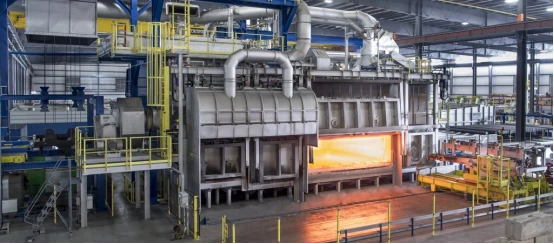
How Do Various Aluminium Melting Furnace Types Operate?
Gas-Fired Aluminium Melting Furnace
The gas-fired furnace works by the combustion of fuel to generate heat for melting the aluminum. Gas-fired furnaces have found many applications in the melting of aluminum ingots due to their high melting capacity.
The basic working process includes:
- Aluminum ingots or scrap are charged into the furnace chamber.
- The combustion system furnishes a continuous supply of heat.
- Heat is transferred through the furnace walls to melt solid aluminum.
- The temperature control system controls the proper molten aluminum condition.
In modern aluminium melting furnace types, the combustion and heat recovery system is improved for better energy efficiency.
Electric Furnace for Melting Aluminium
An electric furnace uses electrical energy as the energy source for heat. Electric heating is more efficient and effective than other conventional heating techniques.
The benefits are:
- Stable temperature adjustment;
- Reduced direct emissions;
- Suitable for controlled melting processes.
Electric furnace systems are often selected where accurate temperature management is important.
Induction Aluminium Melting Furnace
Heat generation in an induction furnace is due to electromagnetic induction. The electric field induces heat internally, thereby enabling fast melting of the metal.
Among different aluminium melting furnace types, induction furnaces are known for:
- Fast heating speed;
- Good temperature uniformity;
- Reduced material oxidation;
- Efficient metal mixing.
These characteristics make induction furnaces suitable for applications requiring stable molten aluminum quality.
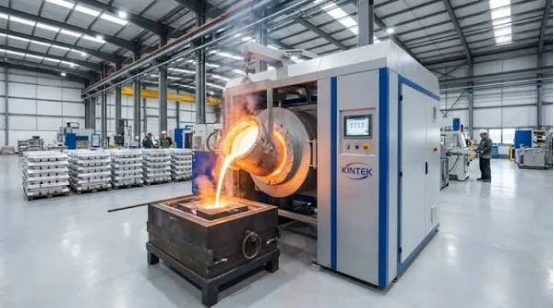
Why Are Regenerative Types of Aluminum Melting Furnaces Popular?
Improved Heat Utilization
Regenerative technology is one development direction among modern aluminium melting furnace types. It increases energy efficiency through recovery of energy from the exhaust gases and then its utilization for preheating the combustion air entering the furnace. This method decreases heat losses and thus enhances furnace efficiency.
Supply of Stable Molten Aluminum
In the case of billets and rods production from aluminum, supply of a stable amount of molten aluminum is required. Regenerative melting furnaces ensure stable temperature conditions for casting.
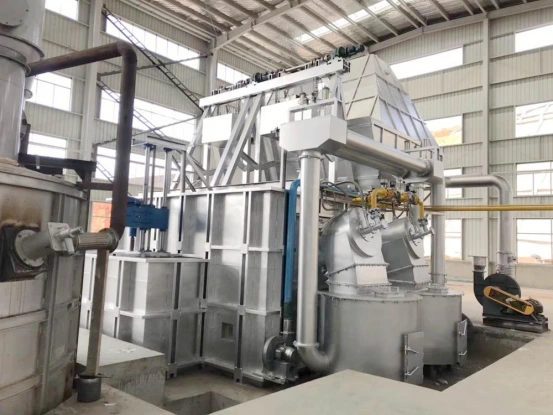
A regenerative aluminum melting furnace consists of:
- Furnace body with refractory lining;
- Combustion heating system;
- Temperature measurement and control system;
- Molten pool;
- Slag removal system;
- Flue gas treatment components.
Other types use electromagnetic stirrers to ensure a more consistent composition of aluminum.
How Does an Aluminum Melting Furnace Help in the Casting Process?
During aluminum billet production, the melting furnace comes first in the process before casting. In the melting furnace, aluminum ingots and scrap are melted into molten metal, which will be sent to the casting machine. A suitable aluminium melting furnace type ensures stable production conditions throughout these stages.
The usual process involves:
Melting Stage
Solid aluminum materials are heated inside the molten pool until they become liquid aluminum.
Temperature Control Stage
This system ensures the stability of molten aluminum temperature. Appropriate temperature management ensures that defects due to overheating or undermelting are minimized.
Purification Stage
Before casting, slag removal is necessary to reduce impurities and improve billet quality.
Supply Stage
The molten aluminum that has been processed is transported to the casting stage.
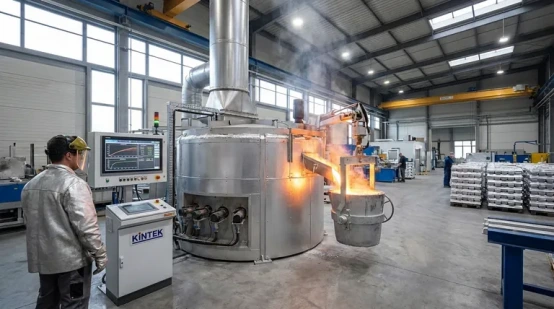
What Are The Issues To Look At When Selecting the Various Types of Aluminum Melting Furnaces?
Production Capacity Considerations
Various production lines have various furnace capacities required. Small-scale producers may go for smaller capacity furnaces while large billet aluminum production plants may require furnaces with a higher capacity. For example, certain industrial melting furnaces are built with capacities of 15 tons or even higher.
Energy Source Availability
This is also an issue worth considering. It involves the evaluation of:
- Fuel cost;
- Electricity supply;
- Heat utilization efficiency;
- Environmental requirements.
Choosing suitable aluminium melting furnace types can help balance production efficiency and operating costs.
Temperature Control Performance
Stable temperature control directly affects molten aluminum quality. Advanced furnace systems use measurement devices and automatic control systems to maintain consistent operating conditions.
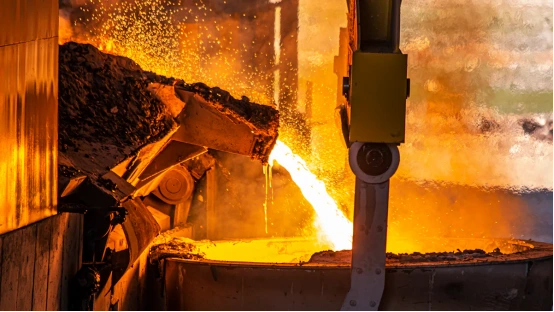
How Can Furnace Design Improve Aluminum Melting Quality?
Modern aluminium melting furnace types focus not only on melting speed but also on maintaining aluminium quality.
Important design features include:
Refractory Lining
The furnace lining serves as protection for the furnace against the intense heat and decreases heat losses. The use of good refractory material increases service life and thermal stability.
Electromagnetic Stirring
Some aluminum furnaces are equipped with electromagnetic stirring, which increases the homogeneity of the molten metals.
Dust Removal System
During aluminum melting, controlling smoke and dust is important for maintaining a cleaner working environment. Integrated dust removal components help improve operational conditions.
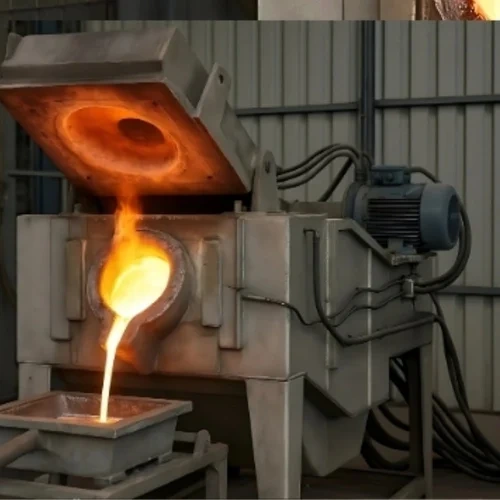
Maintenance Required for Aluminium Melting Furnace Types
Appropriate maintenance can increase longevity and consistent performance.:
- Regularly checking furnace lining conditions;
- Removing aluminum slag periodically;
- Inspecting temperature control systems;
- Preventing wet aluminum materials from entering the furnace;
- Checking Cooling and Exhaust systems.
Aluminium-containing water materials should not be used since they can splatter due to their interaction with the liquid metal.
Conclusion
The various aluminium melting furnace types have unique ways of providing for the needs of aluminium melting. The gas-fired furnaces, electric furnaces, induction furnaces, and regenerative furnaces are some examples of these furnaces, all having different merits depending on the production circumstances.
Choosing an aluminum melting machine is a process that requires careful consideration of such factors as capacity, efficiency, temperature control, and compatibility with casting systems. Knowing the properties of the furnaces can help in stabilizing the production process.