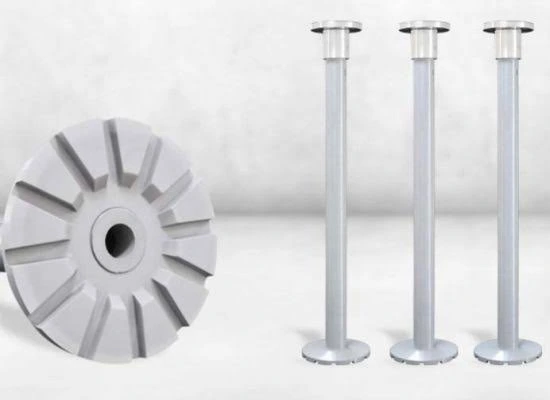
Graphite is an unusual industrial commodity with many distinctive properties such as conductivity, heat resistance, lubrication, and chemical stability. The modern Graphite Process turns natural mineral earth into graphite flakes, graphite powder, and graphite mechanical parts.
Detailed knowledge of all stages of the production process will help the engineers and buyers determine the most appropriate graphite type for their needs. The following section outlines each graphite process step in detail.
1. Step 1 – Mining and Extraction of Graphite
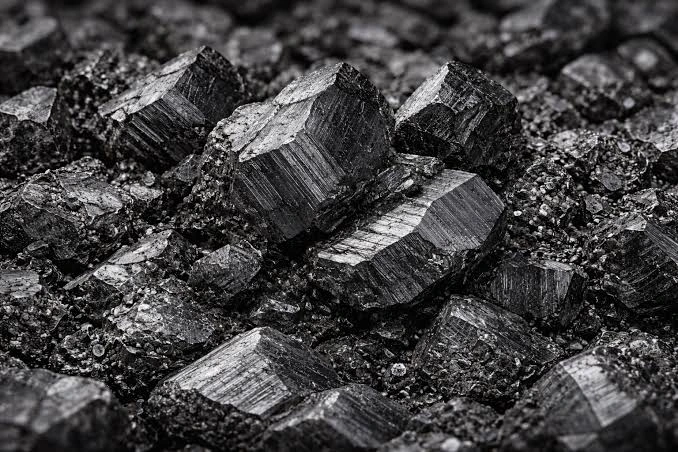
The graphite mining process starts from underground or from above ground level. Geological prospecting is done by the miners for economically viable carbon deposits prior to mining.
Geological Prospecting and Mineral Assaying
The exploration groups use methods such as core drilling and electromagnetic surveys to track underground formations.
The knowledge of the carbon/waste rock ratio is necessary to calculate the total mining cost.
Open Pit Mining Methods
Open pit mining is the principal mining method when graphite occurs near the surface. Bulldozers, shovels, and haul trucks are used to move the overburden and uncover the graphite veins.
Advantages: Allows obtaining a high volume with low mining expenses.
Disadvantages: Dust control and land reclamation are required.
Underground Mining Methods
For steep or deep mineral veins, miners create vertical shafts and horizontal tunnels. Drilling, blasting, and lifting the raw ore from underground are used to get the graphite.
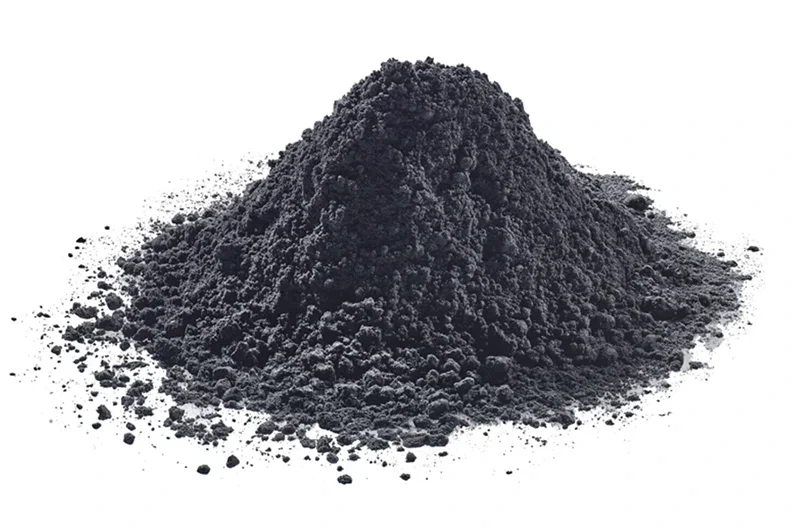
Raw ore usually consists of 5 to 30 percent fixed carbon. Mineral processing is required to make graphite industrially useful.
2. Step 2 – Crushing and Grinding
Mined rocks occur in big boulders, which have to be crushed for separation of graphite flakes from granite, quartz, or mica.
Multi-Stage Mechanical Crushing
In the first crushing stage, jaw crushers crush heavy boulders into small sizes. During secondary crushing, cone crushers and impact mills reduce the rock to finer sizes.
The main objective of the crushing operation is to ensure that all the materials are crushed to 10 mm to 15 mm in size.
Ball Milling and Flake Preservations
Crushed rocks are charged directly to the ball mills and rod mills after the crushing operation.
Technical personnel control the water density, feeding rate, and the grinding balls.
Grinding Size: Grinding needs the particle size where the -200 mesh is 50 percent to 70 percent.
Flakes Preservation: Overgrinding destroys the natural flake size.
3. Step 3 – Flotation and Ore Beneficiation
Due to the hydrophobic nature of natural graphite, the mineral becomes repellent to water and sticks to the air bubbles.
Chemical Collectors Agitation
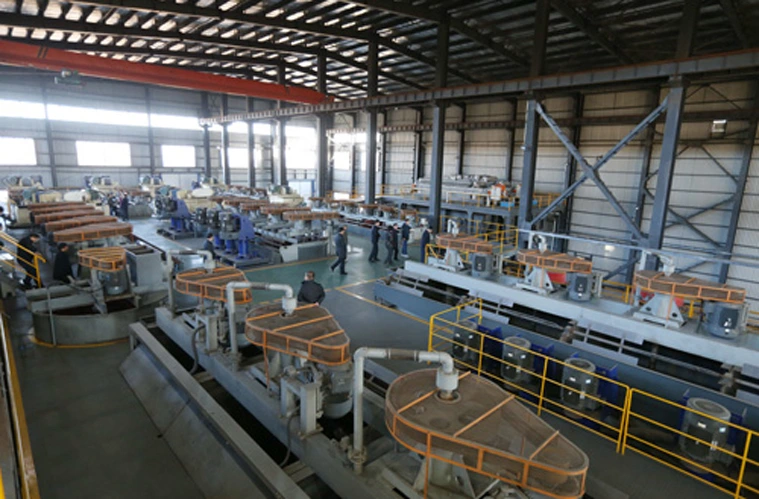
Ball mill slurry is mixed in large flotation cells along with chemical collectors and frothing agents like diesel oil/kerosene and pine oil.
The high-pressure agitator introduces air into the mixture, which makes the hydrophobic graphite attach to the rising bubbles and float to the surface while heavy quartz and clays sink to the bottom of the cell.
Multiple Flotation Cycles
The purity levels are attained by going through a series of complex flotation cells.
Roughing Cycle: Bulk graphite is extracted from the coarse tailings.
Cleaning Cycle: The foam is cleaned through 3 to 6 cleaning stages in order to eliminate the silicate dust.
Scavenging Cycle: Carbon left in the early tailings is scavenged to reduce losses.
The graphite process is carried out repeatedly in order to convert the original raw ore that contains 10 percent carbon purity to 85 percent to 95 percent pure graphite concentrate.
4. Step 4 – Drying and Screening
Concentrates from flotation processes can have up to 30 percent water content by weight. The removal of water is needed prior to transport or additional chemical purification.
Industrial Thermal Drying
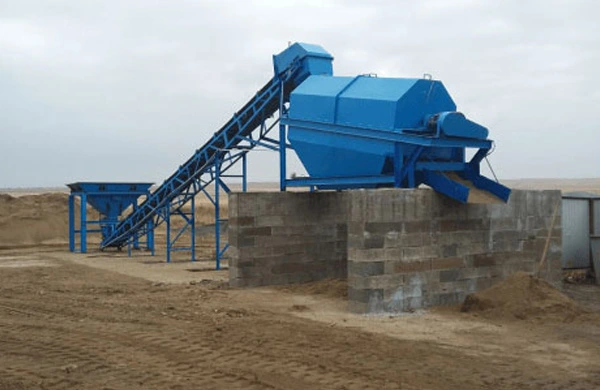
Moist graphite goes to industrial rotary dryers or fluid bed drying towers. Hot air at temperatures ranging from 150 to 300 degrees Celsius removes moisture from inside.
The drying graphite process brings moisture content down to less than 0.5 percent. It helps to prevent powder agglomeration and makes feeding easy for the next equipment.
Precise Vibrating Screen Classification
After drying, the powder falls on multi-layer vibrating screens. They classify graphite powder into standard industrial sizes by mesh size.
Coarse Flakes: -50 mesh and -80 mesh (the best choice for expandables and gaskets).
Medium Flakes: -100 mesh and -200 mesh (suitable for refractories and lubricants).
Fine Powders: -325 mesh (suitable for special battery coatings).
5. Step 5 – Graphite Purification Process
Whereas the graphite process of flotation yields high-grade graphite for use in electronics, nuclear reactors, and lithium-ion batteries, purities above 99.9 percent fixed carbon are required.
Chemical Acid Leaching
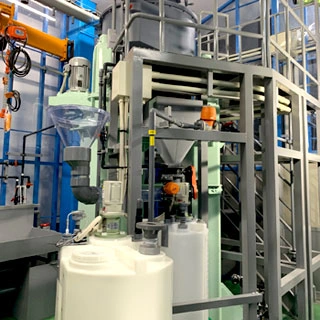
The graphite powder is immersed in a controlled chemical solution including hydrofluoric acid, hydrochloric acid, and caustic soda.
The acids remove silicon dioxide, iron oxide, and metallic impurities while leaving the carbon intact. Subsequently, the graphite powder is washed using water to remove all traces of the acids.
High Temperature Thermal Refining
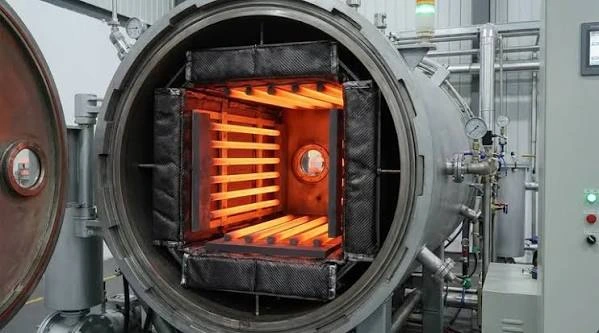
The thermal purification entails treating graphite with the help of extremely hot electric resistance furnaces containing inert gases (argon).
Inside one of such furnaces, the graphite is heated to extremely high temperatures of 2500 to 3000 degrees centigrade. As everything other than the carbon boils at lower temperatures than the sublimation temperature of the carbon (3642 degrees centigrade), the non-carbon substances are eliminated.
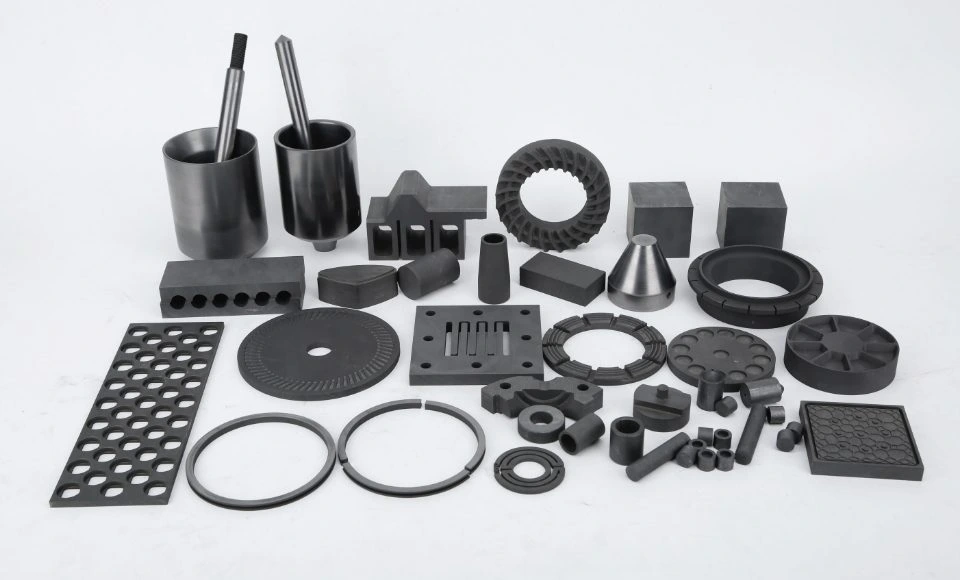
6. Step 6 – Manufacturing Synthetic Graphite
Other than natural mining, the industry also depends on artificial production from petroleum products, where structural uniformity is essential.
Raw Material Mixing and Pitch Kneading
Petroleum and pitch cokes are crushed to a fine powder and then mixed with coal tar pitch binders in industrial kneaders.
Continuous mixing makes all ingredients into a warm mixture of uniform consistency.
High Pressure Shaping and Carbonization
The paste is shaped into blocks, tubes, or rods under isostatic pressure and extrusion techniques.
They are then put inside baking furnaces where they are heated to 1000 degrees Celsius to carbonize the binders.
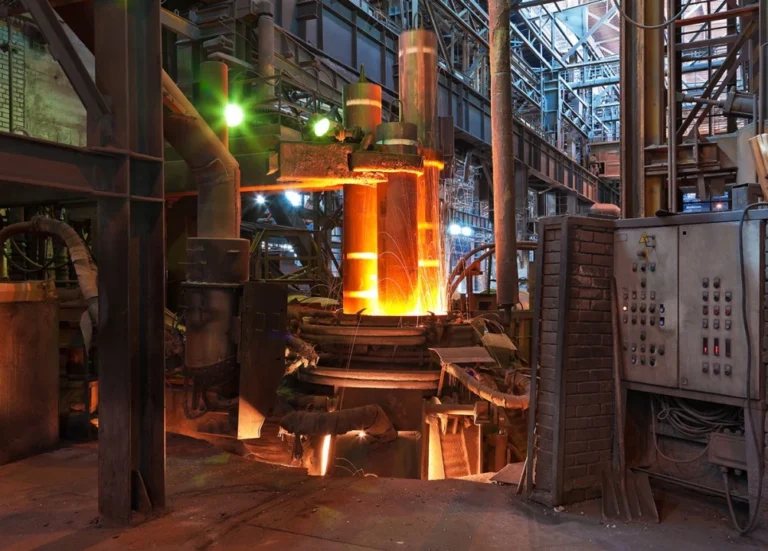
Graphitization in Acheson Furnace
The blocks are inserted into huge Acheson electrical furnaces where the electrical currents generate high temperatures up to 3000 degrees Celsius for several days.
The heat changes the disordered carbon atoms into graphitic crystal form.
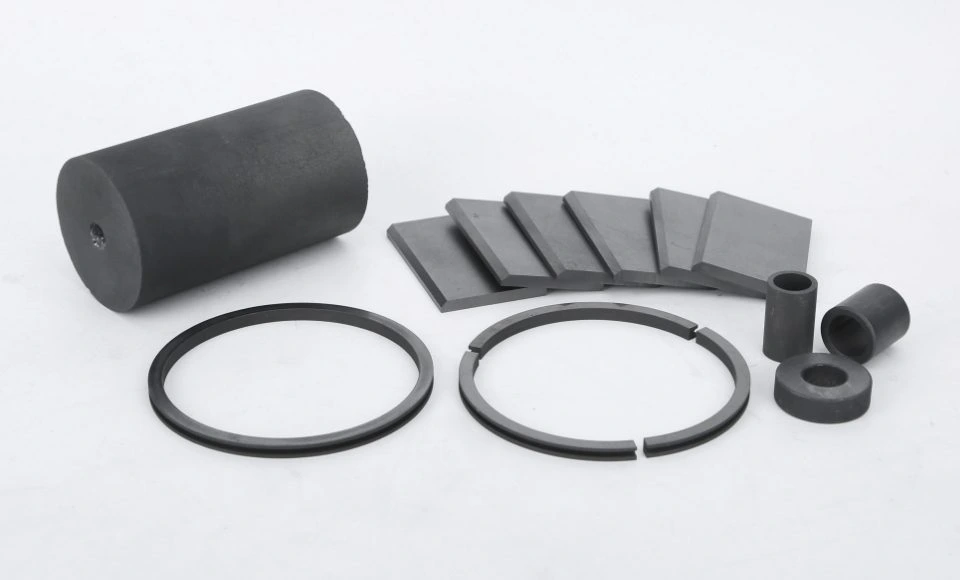
7. Step 7 – Shaping and Machining Graphite Products
Synthetic blocks as well as high-density natural graphite are crafted into precision functional parts with the help of sophisticated machine shop equipment.
CNC Milling and Lathe Turning
High-speed CNC routers, lathes, and wire EDM are used to form graphite into precise geometries.
As an illustration, high-density graphite can be routinely machined into oil- and gas-lubricated graphite rings that provide minimal thermal expansion, excellent wear resistance, and self-lubrication qualities in conditions of operation of high-pressure pumps and gas compressors under harsh hydrocarbon conditions.
Resin and Metal Impregnation
Graphite contains microscopic pores within itself. In order to avoid gas or liquid leakage through them, components have to go through a vacuum impregnation process.
Autoclaves inject phenolic resin, copper, or molten antimony into those pores. This curing process adds mechanical strength, hardness, and fluid tightness to the parts.
8. Step 8 – Quality Testing and Inspection
Graphite Process Final Stage encompasses rigorous laboratory testing of completed parts and powders in order to guarantee their efficient functioning in the field.
Laboratory Physical and Chemical Tests
Rigorous laboratory testing is performed on randomly chosen batch samples.
Fixed Carbon Test: Proven by means of an infrared carbon-sulfur combustion analyzer.
Density Test: Bulk and true density tests in order to confirm the density.
Mechanical Tests: Performed by means of compression and flexural tests to confirm load capacity.
Electrical Conduction Test: Proven by means of four-point probes.
Measurement and Ultrasonic Inspection
Machined parts are put onto the Coordinate Measuring Machines (CMM) in order to measure the dimensional tolerances to micrometer precision.
Our ultrasonic testing machines inspect the internal structures for defects before packing and shipping.
Conclusion
A rigorous graphite process is critical to transform raw underground ore into high-quality industrial materials. Every stage, from mining and froth flotation to thermal treatment and CNC machining, affects the material performance directly.
Do you have any questions regarding custom component manufacturing? Please don’t hesitate to contact Haoxing Graphite! We’d be glad to share information on our high-performance oil & gas lubricated graphite rings.