High-purity graphite plates have, quite subtly, become an essential part of modern thermal and semiconductor processing technologies. The ability to withstand very high temperatures, chemical stability, and controlled conductivity is what makes it possible to use such plates where regular carbon cannot cope. From monocrystalline silicon ingot growth to usage in EDM electrodes, understanding the application of a high-purity graphite plate will help engineers choose the appropriate type for high-temperature applications.
1. What Is a High-Purity Graphite Plate and Its Core Properties?
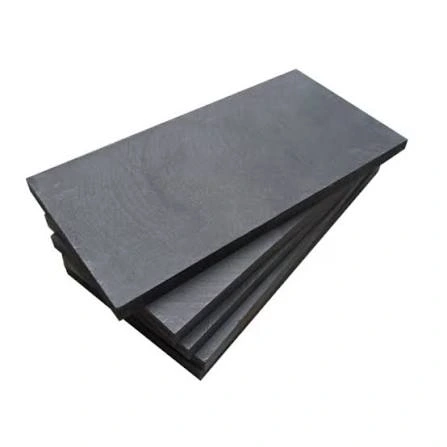
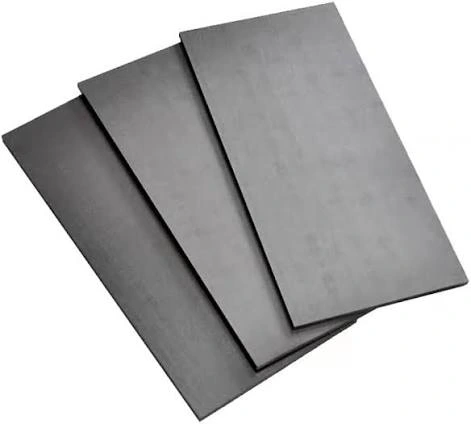
A high-purity graphite plate is defined as a special type of carbon material, which consists of carbon at a fixed percentage higher than 99.9% and even reaches 99.99% in advanced electronics applications. A high-purity graphite plate differs from usual industrial carbon by more rigorous purification at high temperatures, during which all metals (iron, sulfur, vanadium) are almost completely removed from the material, providing exceptional chemical stability and low vapor pressure even at extreme temperatures.
In order to be reliable under harsh operating conditions, there is a set of physical and mechanical parameters engineers should check. Below are the key performance characteristics of a high-purity graphite plate:
| Property Parameter | Typical Value Range | Industrial Significance and Function |
| Fixed Carbon Content | ≥ 99.9% – 99.99% | Ensures zero impurity precipitation under extreme heat |
| Ash Content | ≤ 20 – 50 ppm | Meets semiconductor and photovoltaic purity standards |
| Bulk Density | 1.82 – 1.88 g/cm³ | Provides dense structure and mechanical wear resistance |
| Compressive Strength | 65 – 90 MPa | Withstands high thermal loads without structural failure |
| Electrical Resistivity | 8.0 – 10.5 μΩ·m | Guarantees uniform and stable electrical heating performance |
| Thermal Expansion Coefficient (CTE) | (4.0 – 4.8) × 10⁻⁶/K | Resists thermal shock and cracking during rapid cycling |
This combination of high density and ultra-low ash content grants a high-purity graphite plate an outstanding isotropic structure. Consequently, after undergoing CNC precision machining, the material maintains micron-level dimensional tolerances required for complex assemblies.
2. Major Industrial Applications of High-Purity Graphite Plates
The unusual combination of thermal and metallurgical properties of a high-purity graphite plate enables its use in reliable operation within multiple advanced industry segments.
Semiconductor and Photovoltaic Industry
In photovoltaic ingot growth equipment and Czochralski silicon pulling machines, these plates are used as key internal elements like heaters, thermal shields, and crucible supports. With an operating temperature above 1450 degrees Celsius, the growth of silicon crystals is impossible in the presence of metal ions. Using a high-purity graphite plate will keep the melt of silicon free from volatile contaminants, thus preserving the yield rate of 12-inch wafers in the high-yield ingot production process.
Electrical Discharge Machining
For manufacturing molds and dies, a high-purity graphite plate is a premium material for producing EDM electrodes. Unlike traditional copper electrodes, high-purity graphite plate provides faster metal removal, reduced thermal distortions, and a much lower weight, which helps reduce wear and tear of the machine spindle in complicated cavity milling.
High-Temperature Vacuum Furnaces
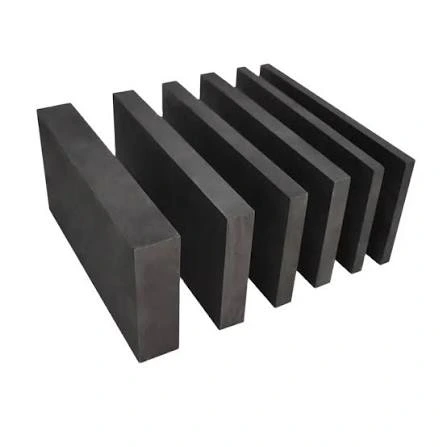
Inside vacuum furnaces operating at a temperature of 1800 to 2800 degrees Celsius, high-purity graphite plate acts as a heater, hearth rail, and a radiation shield. While metals get soft in extreme conditions at such temperatures, high-purity graphite plate increases its mechanical strength up to 2500 degrees Celsius, offering a reliable construction material for heat-treatment of aerospace alloys, vacuum brazing, and sintering of hard metals.
Chemical and Metallurgical Industries
Aggressive chemical environments require materials that are resistant to corrosive substances, including strong acids, alkalis, and organic solvents. In this situation, high-purity graphite plates can be used as electrolytic anode plates, reactor linings, and heat exchange parts, providing a safe chemical process. During the process of smelting and extraction of rare earth elements in the metallurgical industry, high-purity graphite plates ensure there will be no chemical reaction between hot metal and the container in which it is heated.
3. How to Select the Right High-Purity Graphite Plate?
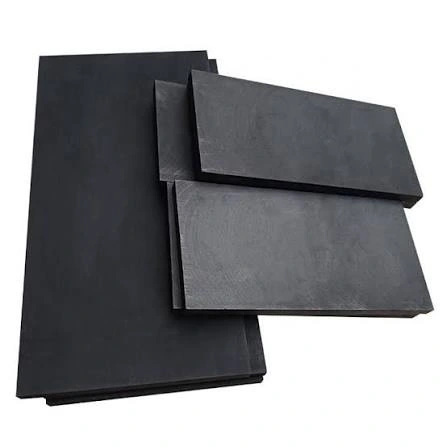
Selecting the right high-purity graphite plate entails matching the mechanical qualities with operational needs:
Purity Level:
Standard industrial operations call for purity levels that are less than 50 ppm, while high-purity graphite plate solutions for semiconductors are required to be less than 5 to 10 ppm.
Grain Size:
Isotropic graphite plates work well in fine machining and electronics operations, while larger extruded grades of graphite plates are ideal for big structural furnace parts.
Coatings:
In case of exposure to highly oxidative or erosive environments, coating of silicon carbide onto the high-purity graphite plate helps extend its operational life.
As an experienced provider of high-end carbon solutions, Haoxing Graphite offers high-purity graphite plate solutions customized to meet customer needs.
Conclusion
High-purity graphite plates continue to be vital in advanced manufacturing, semiconductor production, and metallurgy at high temperatures. The correct choice of the right grade is essential for maximizing efficiency and longevity of operation of the components. Feel free to contact us for inquiries or any machining specifications needed for your next project.