

There is currently a huge demand for high-quality aluminum extrusion coming from several sectors such as the automotive industry and the construction sector all around the world. The aluminium billet casting machine forms an integral part of the production process. In other words, the efficiency and effectiveness of the machine will determine the quality of the final product. What makes the modern casting machine a good machine?
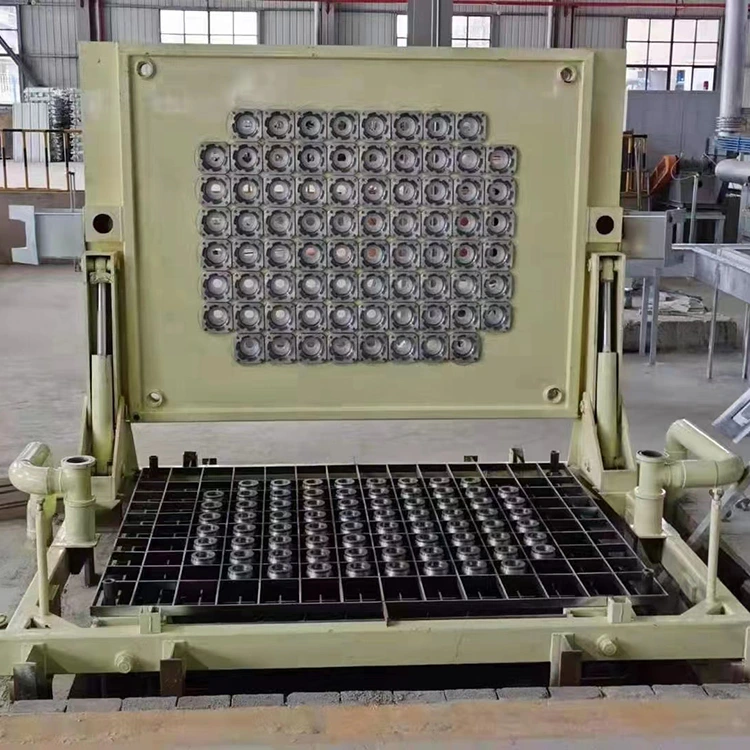
Semi-Continuous Casting Process Overview
To understand how the equipment works, one has to get familiar with the process itself. In almost all cases, factories use a semi-continuous process. Unlike continuous casting, which produces indefinite lengths, this process casts a specific length of billet before stopping to cut the metal. A typical aluminium billet casting machine for this purpose consists of a vertical design, whereby molten metal is poured into a water-cooled mold called a crystallizer. As the metal moves downward, it solidifies from the outside. This “semi-continuous” process enables better control of the metallurgy of the billet, which is critical for its further extrusion.
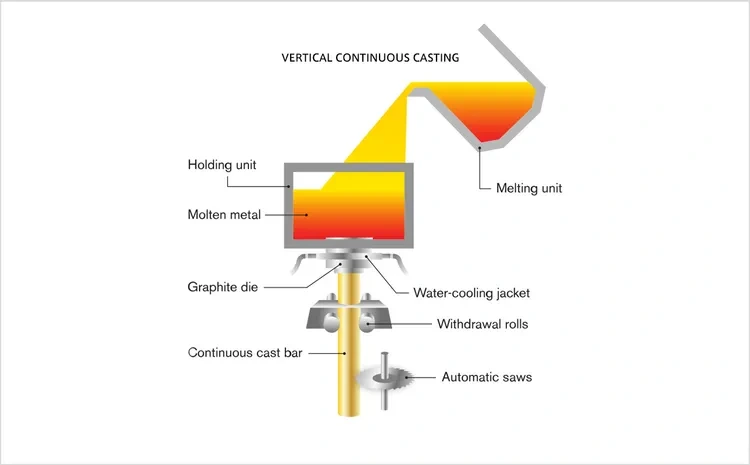
The operation of an aluminium billet casting machine in a semi-continuous setup involves several critical stages:
- First Solidification: The molten metal is cast into the water-cooled crystallizer, where it begins to solidify immediately.
- Controlled Descent: Precise speed-controlled descent via the base, ensuring smooth withdrawal of the newly formed strand shell and a stable casting process.
- Constant Supply: With the lowering of the base, there is a constant supply of molten metal to the upper part.
- Second Cooling: After the billet emerges from the mold, it is subjected to cooling water for completion of the solidification process.
- Cycle Process: The cycle ends once the required size of the billet is attained, and then the cycle process starts again.
Such a systematic method guarantees that the aluminium billet casting machine will produce billets with equal grain structures and few internal flaws.
The Hot Top Advantage
One of the most significant advancements in this field is the integration of the “hot top” system. In traditional casting, the molten metal is exposed to the air immediately upon entering the mold, which can lead to oxidation and surface defects. A hot top aluminium billet casting machine addresses this by adding a refractory cavity above the water-cooled section. This cavity is heated and insulated.
Some of the advantages of this type of construction include the following:
- Prevention of Oxidation: The molten metal is not exposed to atmospheric conditions until it reaches the solidifying area.
- Maintenance of Constant Metal Level: The use of a hot top ensures continuous supply of metal into the mold cavity.
- Absence of Protective Flux or Slag: Unlike the traditional processes, no casting flux or protective slag is required in this case.
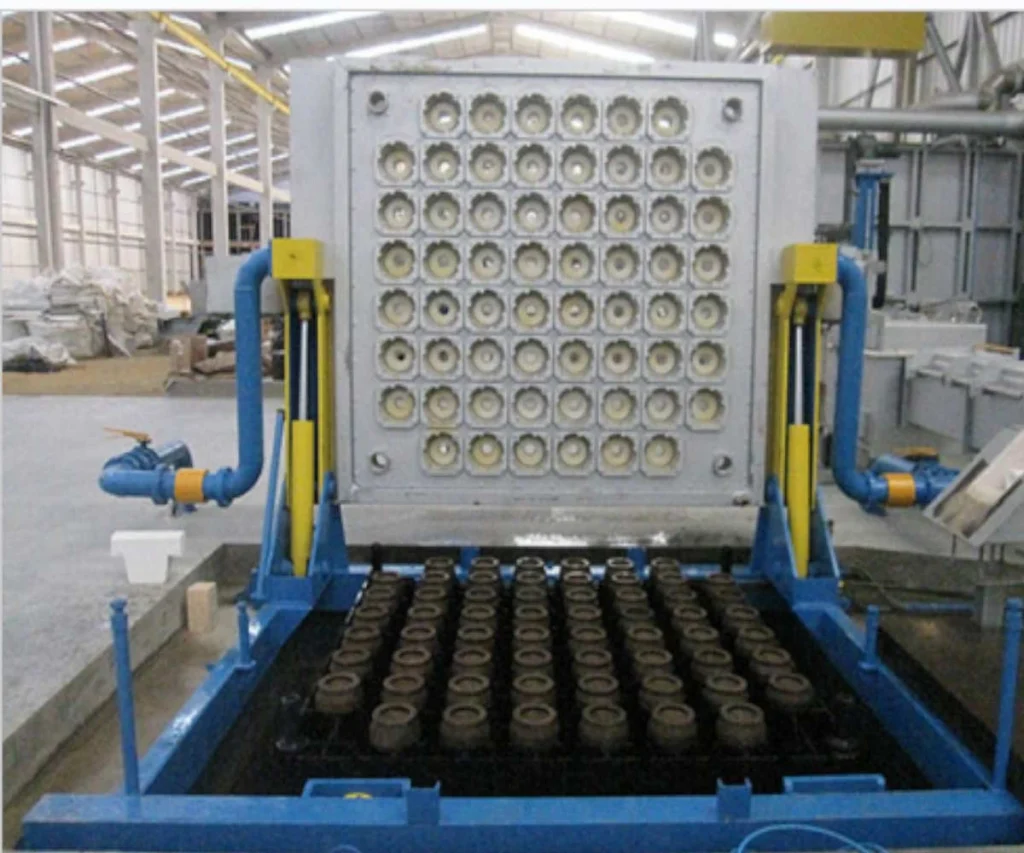
Critical Components of the Machine
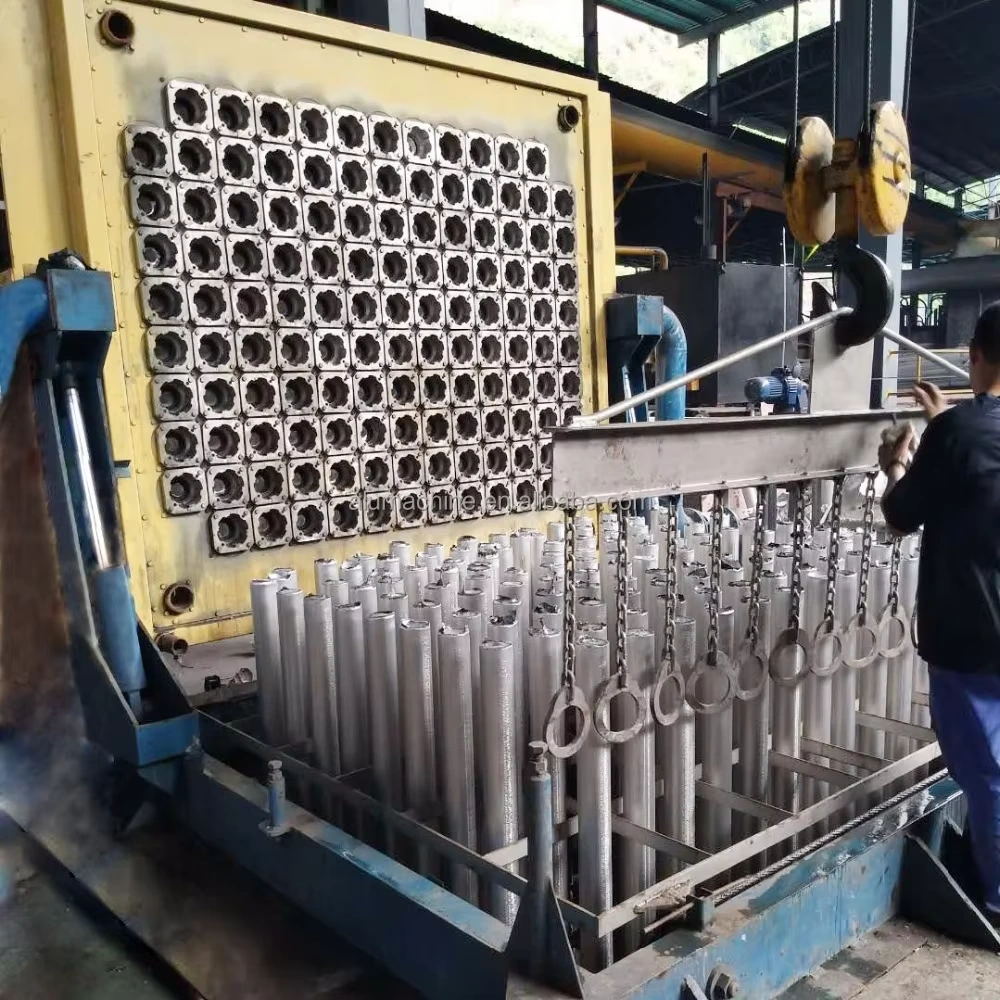
In assessing the aluminium billet casting machine, one must consider the separate pieces that guarantee its efficient functioning. The combination of these pieces will define the quality of the end product – the aluminum bar.
- The Casting Table: This is the core support structure. It integrates the diversion system, the hot top assembly, and the hydraulic lifting mechanisms. The refractory material must have sufficient strength to withstand the force exerted by the hot metal and the stresses associated with the process.
- The Crystallizer (Mold): Made of either copper or a copper alloy. The water-cooled copper sleeve extracts heat rapidly, forming a solid shell around the liquid core.
- Hydraulic System: This powers the “drop” of the billet. A smooth, vibration-free descent is critical. If the hydraulic system jerks, it will tear the solidifying layer of the shell, causing scrap metal to be produced.
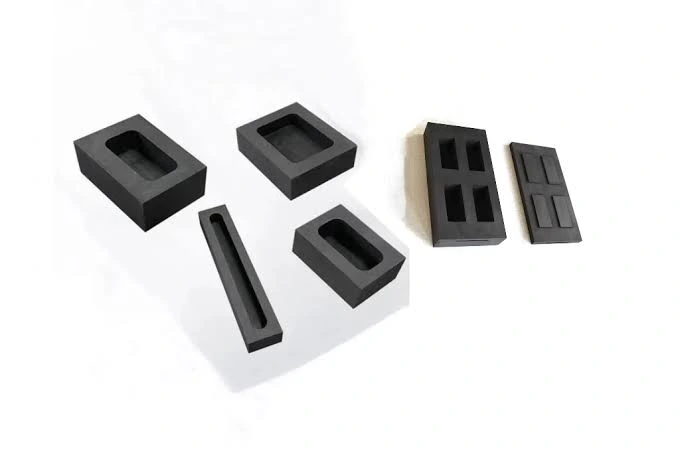
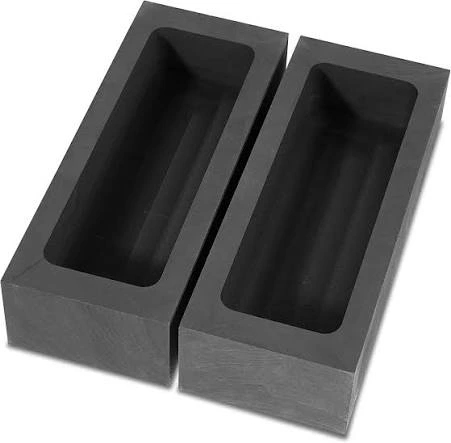
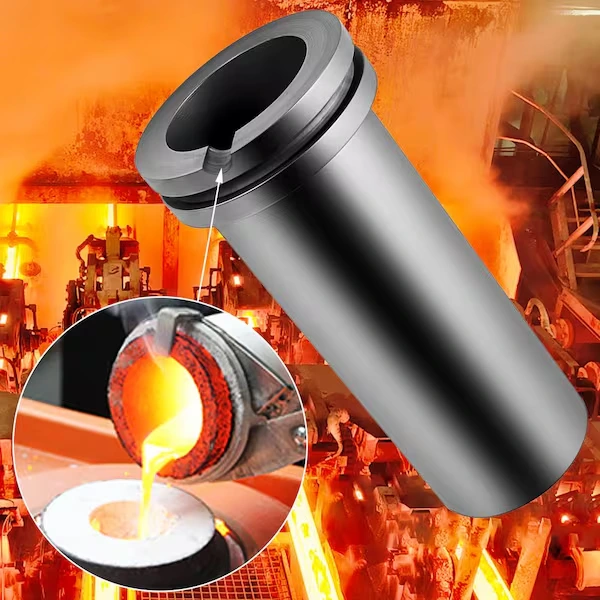
- Refractory Material: The hot top cavity is filled with either graphite or ceramic material. These materials need to resist high temperatures and thermal shock without breaking
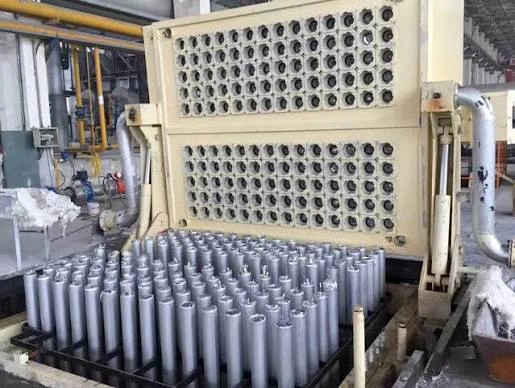
Achieving Superior Billet Quality
However, the main objective of an aluminium billet casting machine is to ensure that the billet has a dense structure and a smooth surface. Such defects as cold shuts, cracks, or porosity may ruin the whole process during the extrusion stage.
How modern machines achieve this:
- Uniform Solidification: By regulating the water flow rate and hot top temperature, uniform solidification is guaranteed by the machine, which eliminates any chances of cracking.
- Vibration Control: Many machines employ a slight vibration mechanism to prevent the billet shell from sticking to the mold walls. However, this must be precisely calibrated.
- Temperature Control: The temperature of the molten aluminium needs to be controlled very precisely. If it’s too hot, it destroys the refractory; if it’s too cold, it will freeze in the spout.
Operational Best Practices
Owning a high-tech aluminium billet casting machine is only half the battle; operating it correctly is the other half. Manufacturers have to follow strict guidelines to maintain safety and quality.
- Pre-Casting Inspection: Before casting, it is important to check whether there is any damage done to the refractory coating. A micro-crack at the top of the strand leads to a breakout—a leakage of molten metal—creating a critical emergency requiring immediate action. It is important to inspect the water cooling system as well for any leaks or clogs.
- During the Cast: Stability is the keyword. During operation, it is necessary to ensure that the molten metal level in the hot top remains stable and to avoid significant fluctuations. Sudden changes in casting speed can disrupt the solidification front, leading to internal defects. Once even a tiny crack appears in the hot top, it can easily lead to liquid metal leaking from the mold, triggering a breakout emergency.
- Post-Casting Maintenance: Once the casting process is over, the equipment has to cool down gradually because sudden cooling of the water-cooled parts may result in thermal shock. Checking of graphite rings and copper molds is important as well because it allows checking their wear and tear.
Conclusion
Having understood the working mechanics and operational subtleties, the manufacturers will be able to take advantage of their machinery in such a way that they can produce high-quality aluminium billets in compliance with international standards.
Should you wish to upgrade the capability of your foundry or you need a dependable aluminium billet casting machine that delivers high-quality billets, we recommend that you browse through our wide range of casting machines. You can contact us now to find out more about the specifications of our machinery or ask for a tailored quotation.